





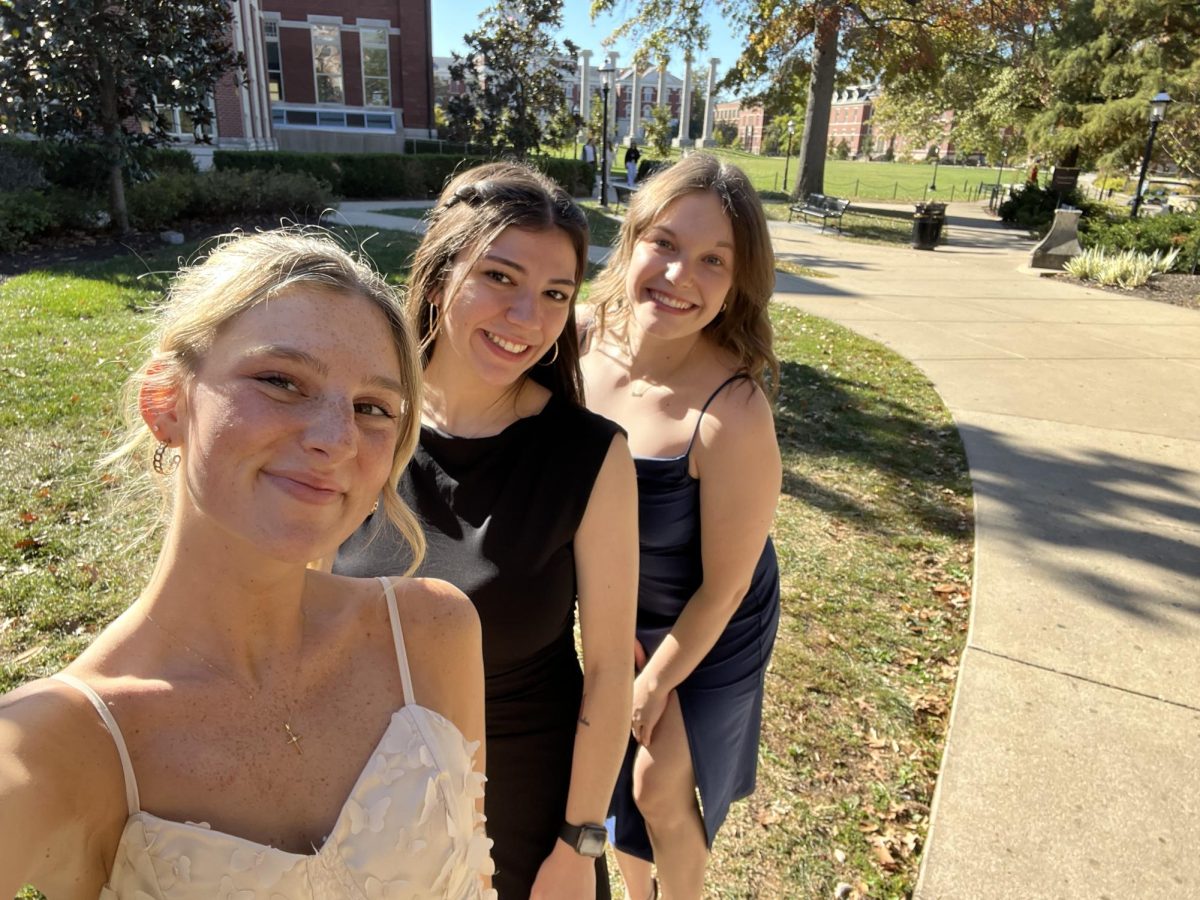

Typically, Eureka College students get 6-8 semesters to develop their honors thesis. Students will join the program their freshman or sophomore years then finish their projects and give a presentation on it the last semester of their senior year. But that isn’t the case for every student. Eureka Senior Claire Wuethrich is completing her thesis in just a single semester, and she will be giving her presentation this winter. And Kateland Williams, another Eureka Senior began her thesis this semester and will be finishing it in the spring.
Assistant Professor of Anglophone Literature at Eureka College, Dr. Adrian Whitacre is also the director of the Honors Program and are in their first year directing the program after serving as co-director last year alongside Eureka Biology Professor, Dr. Paul Small. “The thesis is the heart of the program: An independent research project that allows each student to develop their academic and career interests more deeply than they would in a one-semester class.” Dr. Whitacre says via email. “In the spring and summer of their junior year, students carry out their research program and collect data—this looks different for each person depending on what they are studying. Then in their senior year, students write and present their research to the campus.”
When they are finished, an Honors Thesis is a written report that is around 30-40 pages and are accompanied by a formal presentation on the student’s research. While the 30-40 pages may seem like a lot, Dr. Whitacre says it isn’t the writing that is the biggest challenge of writing a thesis, it’s the planning and research.
According to Dr. Whitacre, an honors thesis typically takes two years to complete, so it’s best to join the program freshman or sophomore year, but two Eureka students are completing theirs in a bit less than that.
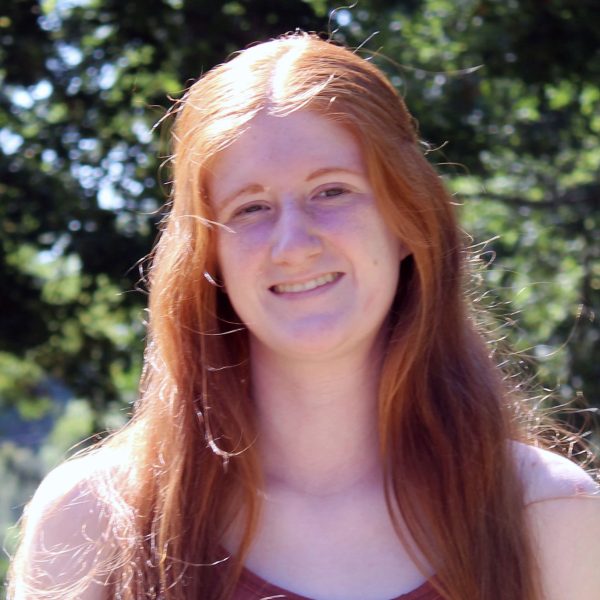
Claire Wuethrich is set to graduate Eureka College this winter, and took on the task of completing her honors thesis in just a semester. She is majoring in Biology with a minor in Chemistry as well as earning a certificate in leadership. “My honors thesis is about stray cat and dog populations and how birth control could be a way to help reduce numbers at a much more cost-effective rate! My question essentially is “is birth control a possibility financially and logically to reduce feral population sizes?” Wuethrich said via email.
Wuethrich originally had another thesis planned centering around food therapy for dogs and cats, but when that plan fell through she changed courses to her new thesis. But she says that isn’t the only thing that has challenged her through this process. “The biggest challenges is honestly burnout and the feeling of imposter syndrome! It’s been tough to find motivation to write and research sometimes and also when I do write and research I feel like I don’t know everything and that I will be told my work sucks or something!”
But through the struggles, she’s continued to enjoy the process and looks forward to what her thesis may do for her in the future. “This thesis has been challenging, but I have loved every second of it researching a topic I like and maybe could pursue more in veterinary school!”
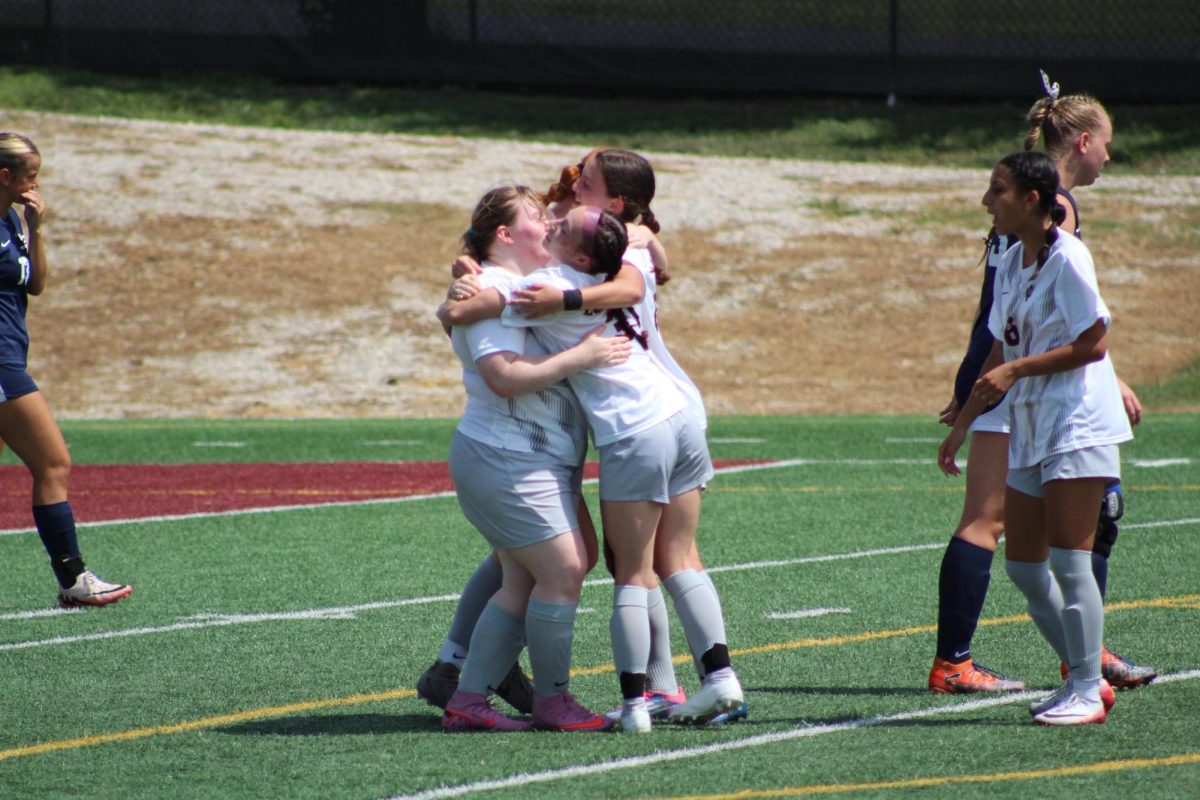
Another Eureka College senior Kateland Williams, who transferred to Eureka College from GateWay Community College in the fall of 2024 and is majoring in Marketing Analytics. Williams joined the honors program in the fall of 2025 and is set to graduate and finish her honors thesis in the spring of 2026.She says the focus of her research has been “How statistical analysis can be used by soccer coaches to make coaching decisions.”
“I want to be a Sports Statistician in the future, so I thought why not implement that into an Honors Project.” Williams said via email. “Even though it’s a short amount of time, I decided to do an Honors Thesis because I think it will be helpful towards my career goals in the future. I want to do sports statistics, so by doing it now it allows me to get practice in that area.”
The part of an honors thesis that Dr. Whitacre says is the hardest part, has also proved to be the biggest challenge for Williams, that being the research. “Collecting all the data in such a short amount of time has been hard. I haven’t had as much time to prepare and plan the project out, so it’s been harder to know where I’m going to get some of my data from. But, because it’s something that I want to do, it hasn’t been too bad and it’s been fun to collect the data.”
Writing an honors thesis is a challenge for any student, but students still find the joy in the research process. Both Wuethrich and Williams found the research process challenging, but researching the topics they were passionate made it more enjoyable. And having a passion or drive to learn more about something is a good trait to have as an honors student, according to the program’s director. “If you’re interested in Honors but unsure about your capabilities, don’t assume you can’t do it just because it will be a challenge. Grades do matter; you have to maintain a 3.5 in the program. But the other qualities in a great Honors student are curiosity and passion. If there’s a topic you’re drawn to or a subject you want to learn about more deeply, then you might be a good fit for Honors.”