
A college is shaped not only by the people who currently attend it, but also by the history it preserves. At Eureka College, that history is visible across campus. What might normally be tucked behind museum glass or locked away in storage can instead be found in display cases, historic buildings, outdoor landmarks, and artifacts that quietly remind students they are part of something much larger than themselves.
For Dr. Junius Rodriguez, retired history professor at Eureka College, those artifacts are more than old objects or decorations. They are reminders that students are connected to a longer story.
“When you’re a student here, whether you’re here for two years, four years, or however many, it’s almost as though you’re just passing through,” Rodriguez said. “I think it’s important to be reminded of the things that happened before your time.”
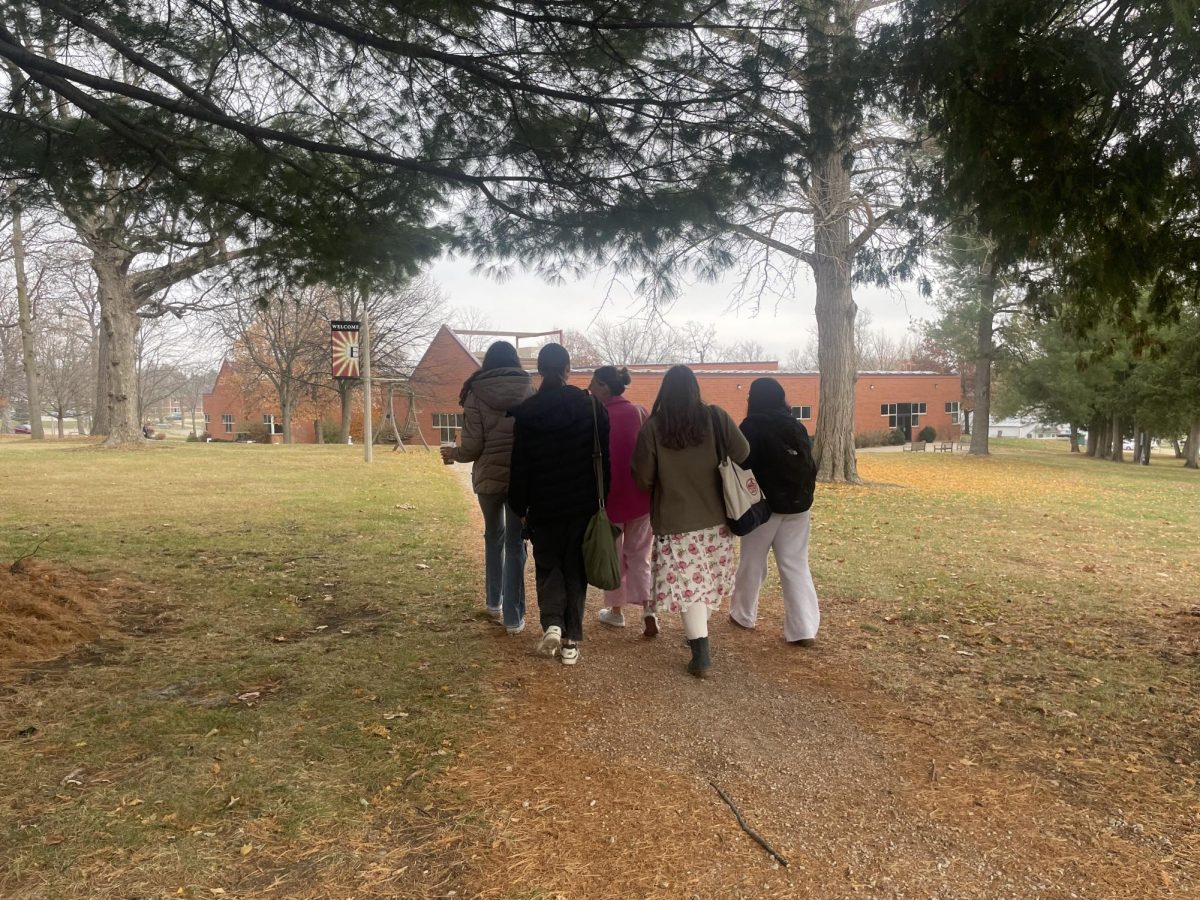
Rodriguez said he has always believed that “the past does influence the present,” and that physical artifacts help make that influence visible. In his view, campus history is not abstract. It is built into the spaces students walk by every day.
“As a historian, when I look at the campus, metaphorically, I sort of see the dead people,” Rodriguez said. “I see what this place was.”
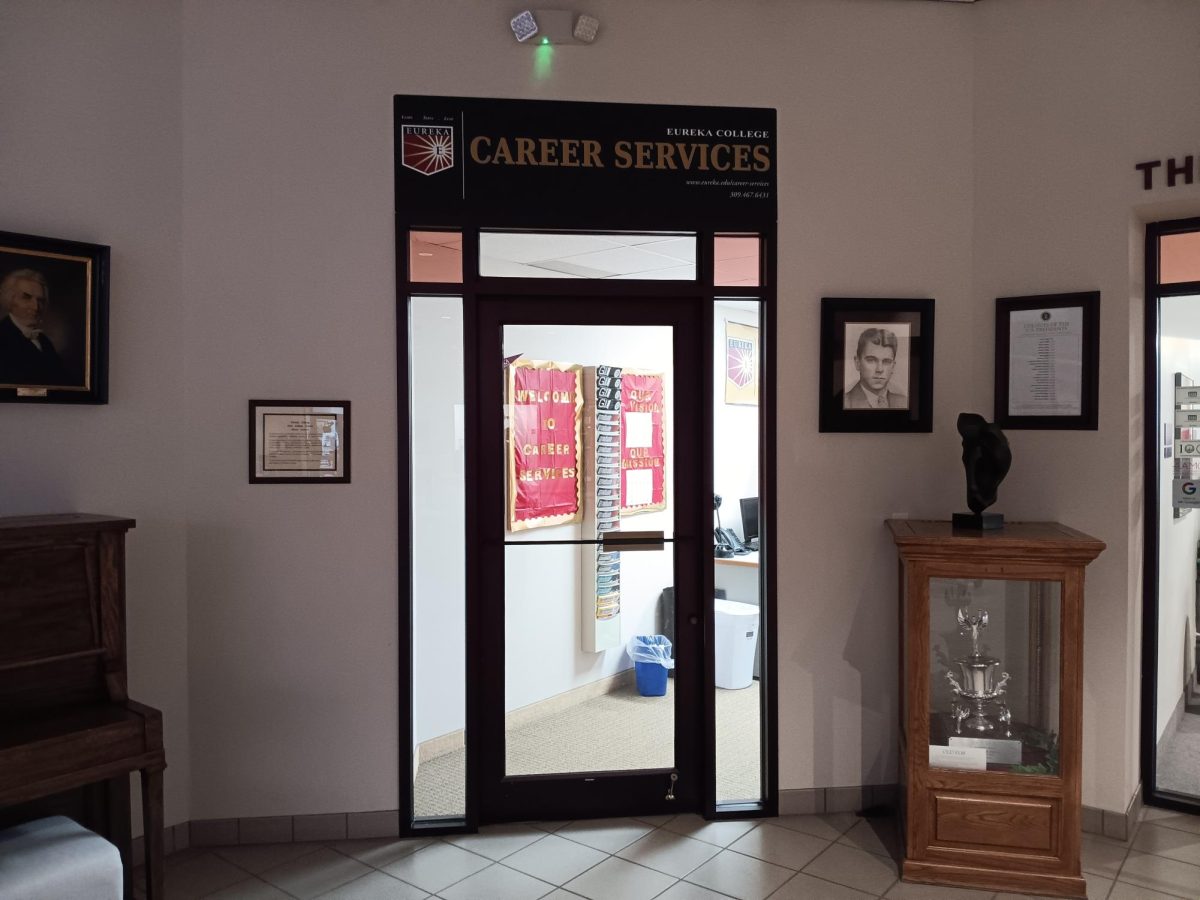
It is upon taking this perspective it becomes clear what makes any place unique, especially like Eureka. Rodriguez pointed to places such as the chapel, the Lincoln Stone, the Peace Garden, and the display cases in Burgess Hall as examples of how the college preserves its past in a physical form. He himself also played a role in creating some of those displays, including a women’s history display case that began with one of his freshman seminar classes.
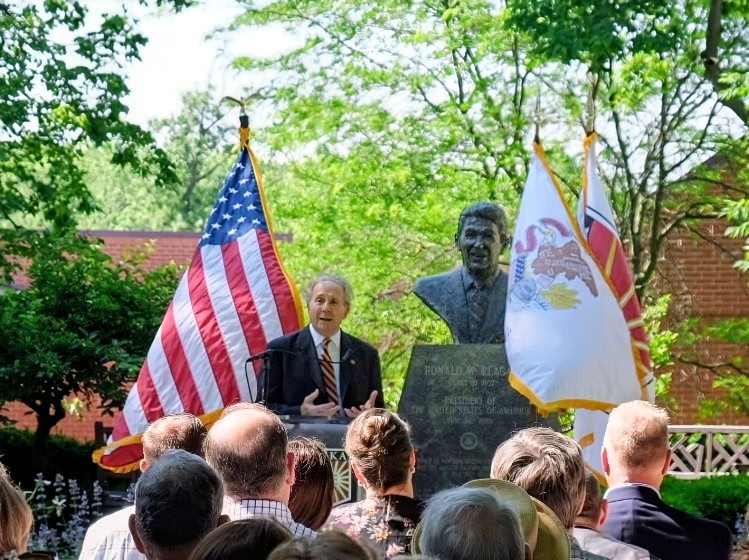
One of the most notable pieces that stands out most to him is the Peace Garden, which includes a fragment of the Berlin Wall. Rodriguez said the site reflects Eureka’s connection to broader world history, especially through President Ronald Reagan’s 1982 commencement speech on campus. For him, the garden shows how even a small college in central Illinois can be tied to events with international impact.
Cassandra Chapman, curator of the Reagan Museum and archivist, echoed the idea that Eureka’s historical objects matter because they reveal the legacy students are living in now. “It shows you the legacy that you are living,” Chapman said.
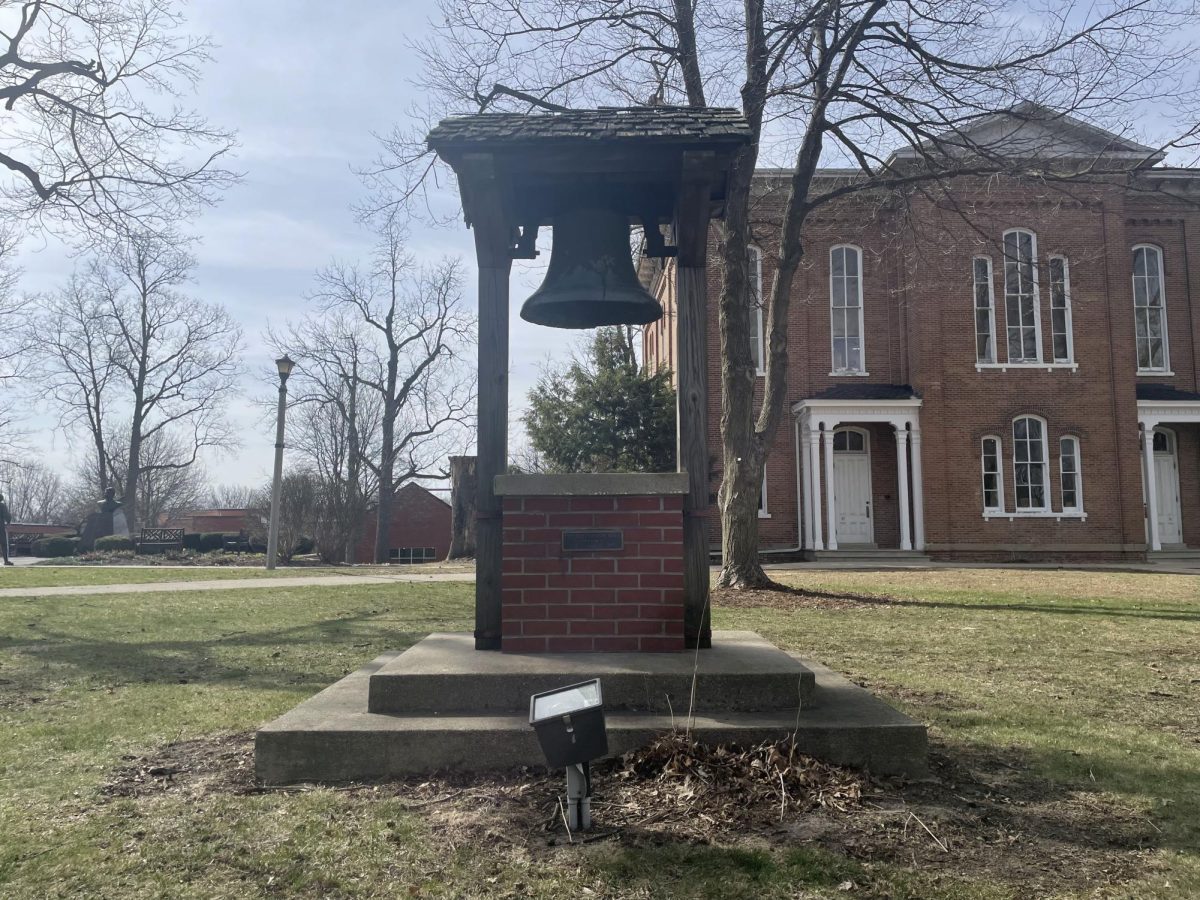
Some artifacts, however, are easier to overlook. Chapman pointed to the campus bell as one example of a piece of history that has faded into the background. Though it once played an important role in campus life, she said it now “needs to be revitalized” and brought back into students’ attention.
Preserving those objects takes much more than simply putting them on display. Chapman said the archive is currently cataloging thousands of items in an effort to make the collection more accessible. That work has also been supported by institutional investment. In 2022, Eureka College announced that the Ronald Reagan Museum received more than $56,000 in grants for archive preservation and accessibility, and in 2024 the museum launched a website designed to let visitors view thousands of collection items online.
Chapman also explained that preservation is no simple undertaking. It is a process that can be expensive and highly specialized. Some of the objects can require outside conservators, and even an initial quote for treatment can cost hundreds of dollars. However, even still, “preserving the objects for the future is very important.” she said
The broader understanding of the value in preservation is echoed outside Eureka as well. The Washington County Historical Society of Pennsylvania describes artifacts as “tangible links to the past” that help communities understand how earlier generations lived and worked. It argues that preserving those objects helps maintain historical authenticity and keeps cultural memory alive for future generations.
Even beyond commemoration can these artifacts find value. In her article “Why Objects Matter in Higher Education,” Joanna Cobley writes that integrating artifacts into teaching can help to improve student learning by making it a more direct and meaningful activity. In a place like Eureka, where history is embedded across campus, that suggests artifacts are not just reminders of the past. They can also become tools for helping students engage more deeply with the college’s identity.
Eureka’s artifacts matter because they connect students to a history that is still shaping campus life. Chapman put it simply: “This is your campus. This is your history.”
Rodriguez offered a similar challenge, asking students not only to notice the history around them, but to think about what part they will play in it. “How do you plan to leave your mark?” he said. “What is your history that you will fashion?”
At Eureka College, preserving artifacts is about more than protecting old objects. It is about preserving stories, values, and the sense that today’s students are part of an ongoing legacy still being written.