




Just over a year ago in January 2025, Eureka College made local headlines for their move to implement a reading success coach following the decline in student’s college-level reading ability. Since then, several strides have been made to not only improve students’ literacy, but to support literary activities already on campus, as well as introduce new ways to engage students in reading.
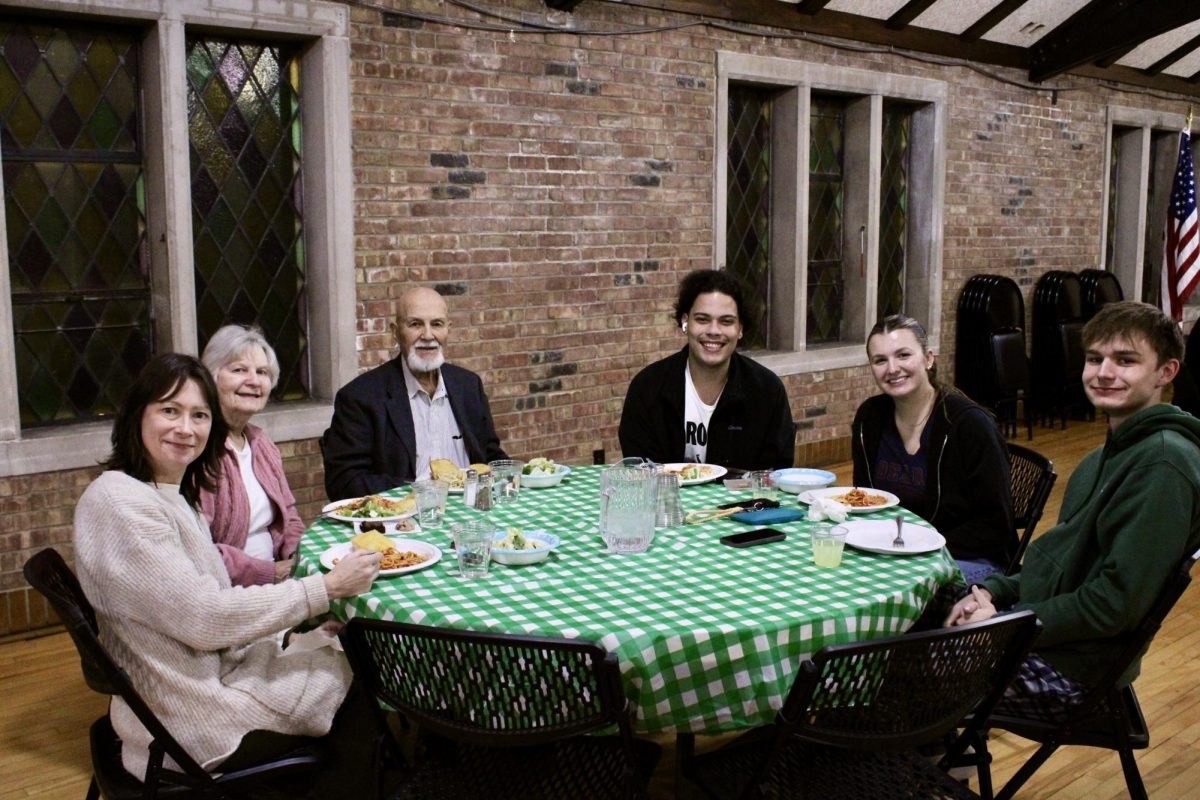
Kenzie Molden is a senior at Eureka who is the founder and president of the Between the Lines campus book club. The club began in the fall of 2024 and has held meetings ever since, promoting literacy as a social activity to any interested student.
“We were trying to be open and have a different community that wasn’t strictly academic,” Molden said.
Students in the book club will select a book of their choice within that month’s genre to read, then report to the group in a monthly meeting with anything they have to share related to the text. “From the book club, I’ve met friends that I’ve had in class, and it was easier to interact with them,” Molden said.
Encouraging students to choose their own book within a shared genre creates an environment which fosters casual, social discussion about reading, which takes away some of the stress students might experience from reading for a graded class assignment.
Within the English courses offered at Eureka, the reading workload differs, with some courses relying on novels and academic articles, while others focus more on poetry, short stories, and other creative literary works.
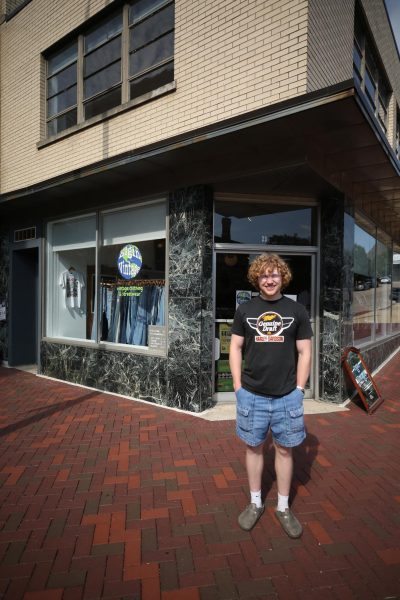
Luca Davis is a sophomore majoring in English Literature and working at the library. His experiences with literacy on campus stem greatly from his English courses, which vary based on the levels. In lower level courses, Davis observes less direct participation.
“There’s a lot of people who are kind of just there because they have to be for the credits, but even then, they’re usually off to the side, quiet, not really disrupting,” Davis said.
Despite this, Davis isn’t overly concerned with those who take less interest in the text. As several of the lower level English courses are offered as Ten Essentials, it’s common for students of other majors to enroll.
“To a degree, I think the world would be a better place if everyone at least kind of enjoyed reading. But at the same time, I get it, being forced to read a book you just do not care about,” Davis said.
However, in the higher level, major specific courses, students often jump to engage with the reading assignments. Both Molden and Davis have taken several of these upper level courses, with topics ranging anywhere from children’s literature to myth to early English writing and so on.
One unique offering in these upper level courses is the ability to publish for the Eureka Literary Magazine. Dr. Ezekiel Jarvis is the current faculty adviser for the ELM, originally founded by alum Loren Logsden in 1992.
Students can enroll in English publication workshop or use their English capstone project to publish their creative works in the ELM.
Writing creatively, with or without publication, can help promote literary activities, as students will need to read and examine existing pieces to develop their own work.
“I do think that if you read a lot of fiction, if you read poetry, you get a little bit more comfortable because you see different models for what poetry and fiction can be,” Jarvis said.
A major concern or setback for students involving reading is their lack of time. Often, students spend time reading textbooks or scholarly works for class, leaving them with little to no time to engage in reading for fun.
To combat this issue, the Eureka College Library has introduced a new digital book app within their catalog, including access to audiobooks for students to listen to on the go, as well as e-books.
Though students, staff, and faculty alike have been working hard to provide literary outlets to campus, a larger threat still looms. Across the nation, literacy rates are on a decline, a statistic troubling many, especially focused on the way we think and interact with texts.
“If you can’t imagine beyond our own world, we’re never going to solve the problems of our world, and so we need to be able to think in alternative ways. And so if it’s true that we’re more and more literal thinkers, I think that we react very quickly, we don’t think carefully, and we miss some of the connections that really, we should be making,” Jarvis said.
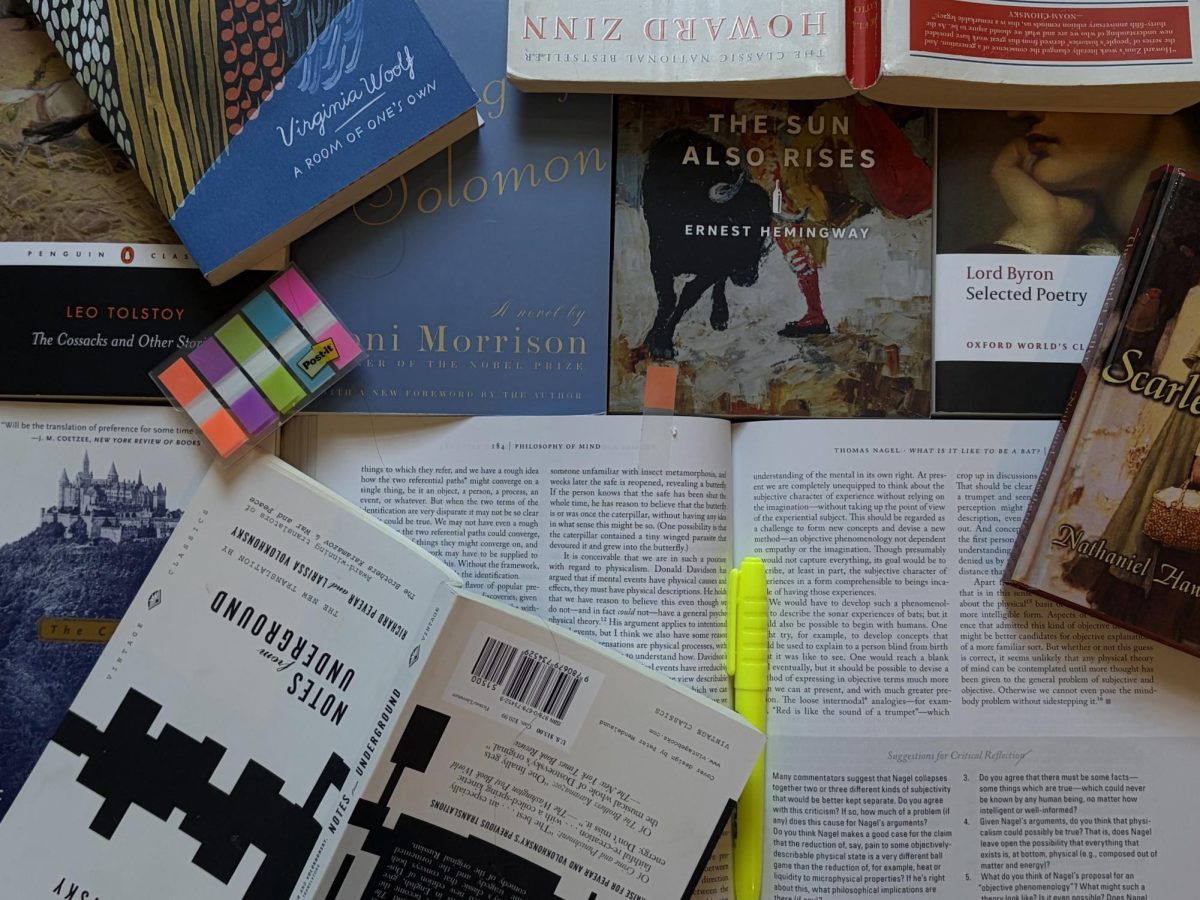
Whether it be through book club, publication, visiting the library, or even spending more time engaging with texts for class, there are many ways to get involved with literature on and off campus in order to combat the growing decline and broaden your understanding of the world around you.