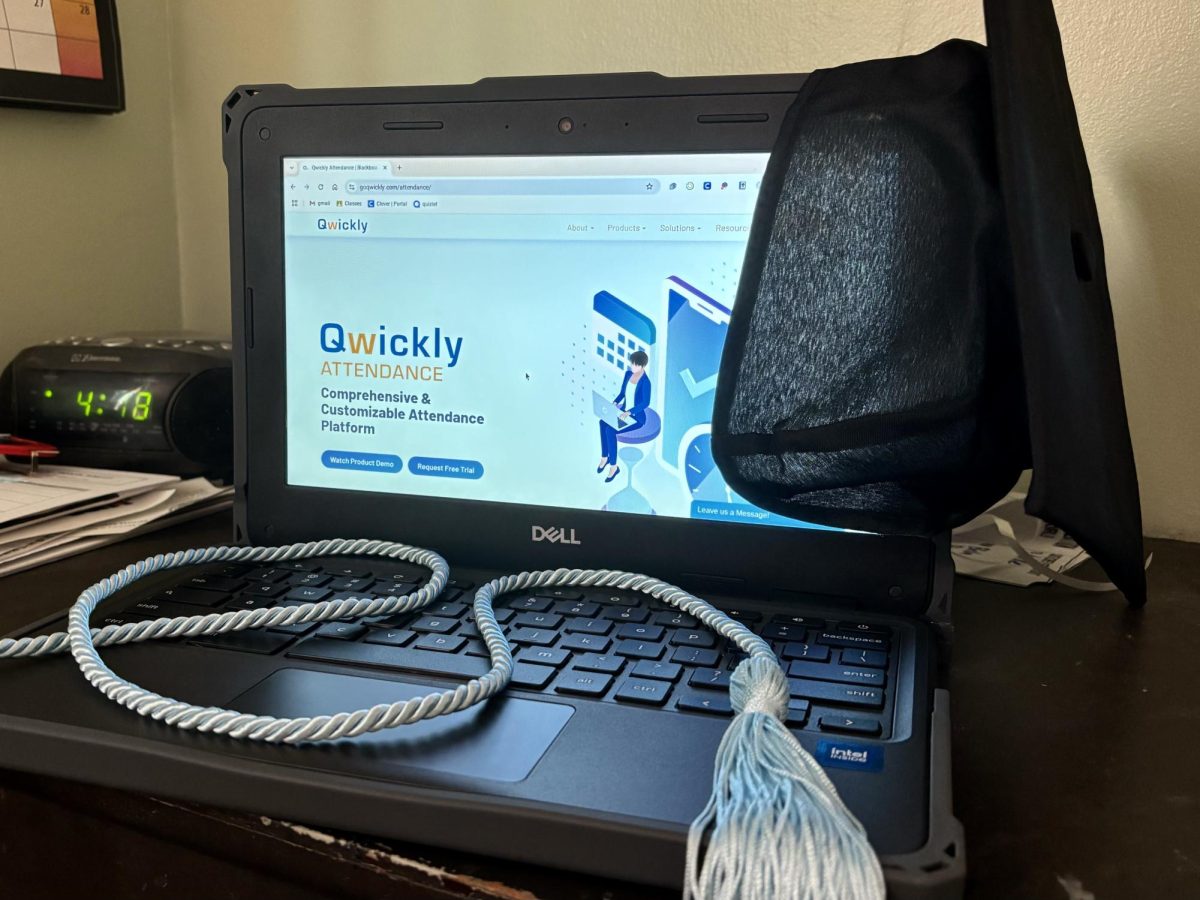






Go to school, graduate college, and find a job. For decades, that has been the instruction handed to young Americans as the foundation of both stability and success, including Eureka graduates.
Unfortunately for many recent college graduates, that final step of landing a job has become far more difficult than expected. A tightening job market, varying employer expectations, and increased competition have left countless students wondering what comes next after receiving their diploma. As this challenge appears more often on campuses like Eureka College, it raises an important question, one in which today’s graduates are not fully prepared for the reality awaiting them beyond the classroom.
One of the biggest reasons graduates are struggling to secure employment is because of how hesitant employers are about the hiring process. An article by npr suggests that this has led to fewer opportunities for fresh graduates to get their name released into the workforce. One graduate from Idaho State University, Azraiel Raines, had big plans for her post-college career, but began to panic when the department she wanted to work for was not hiring. Fortunately for the recent grad, she found a job at her alma mater, and although this was not according to plan, she was able to use her talents in a way she never thought she’d be able to.
National data suggests that the unemployment rate for college grads has been on the rise since 2022, reaching 9.7% as of September 2025, based on a report by CNBC. For these grads, this could result in constant moving in hopes of increasing their potential, or simply not searching for roles at all.
To understand how the pressure appears beyond the statistics, I spoke with two individuals who have experienced this struggle up close: Kareem Burnett, a recent graduate from Eureka College, and David Spesier, Eureka College’s Director of Career Services.
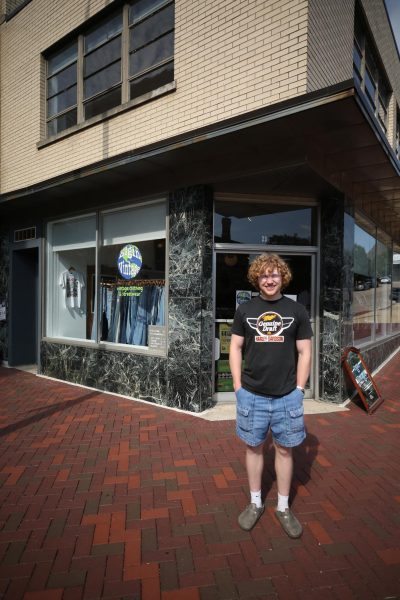
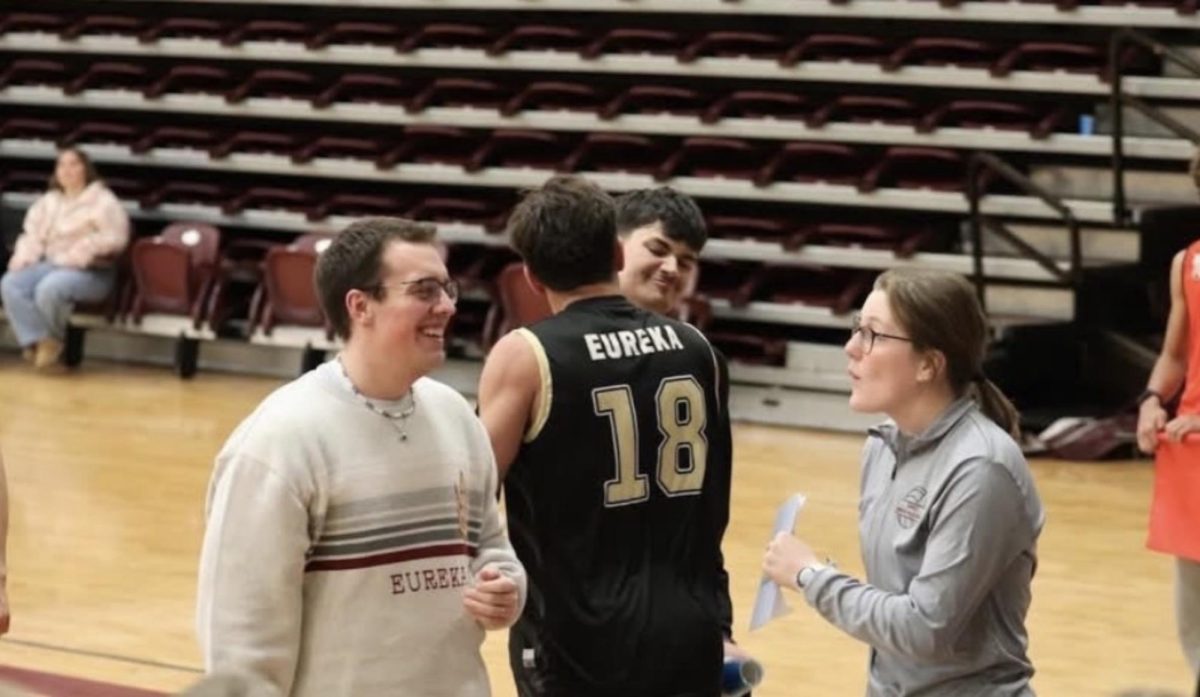
Burnett, who walked across the stage in December of 2025, has felt these challenges firsthand. “I wouldn’t say college has one hundred percent prepared me for the job search,” Burnett stated. For him, the transition from student to job seeker has been marked by reflection and a realization that the classroom could only get you so far.
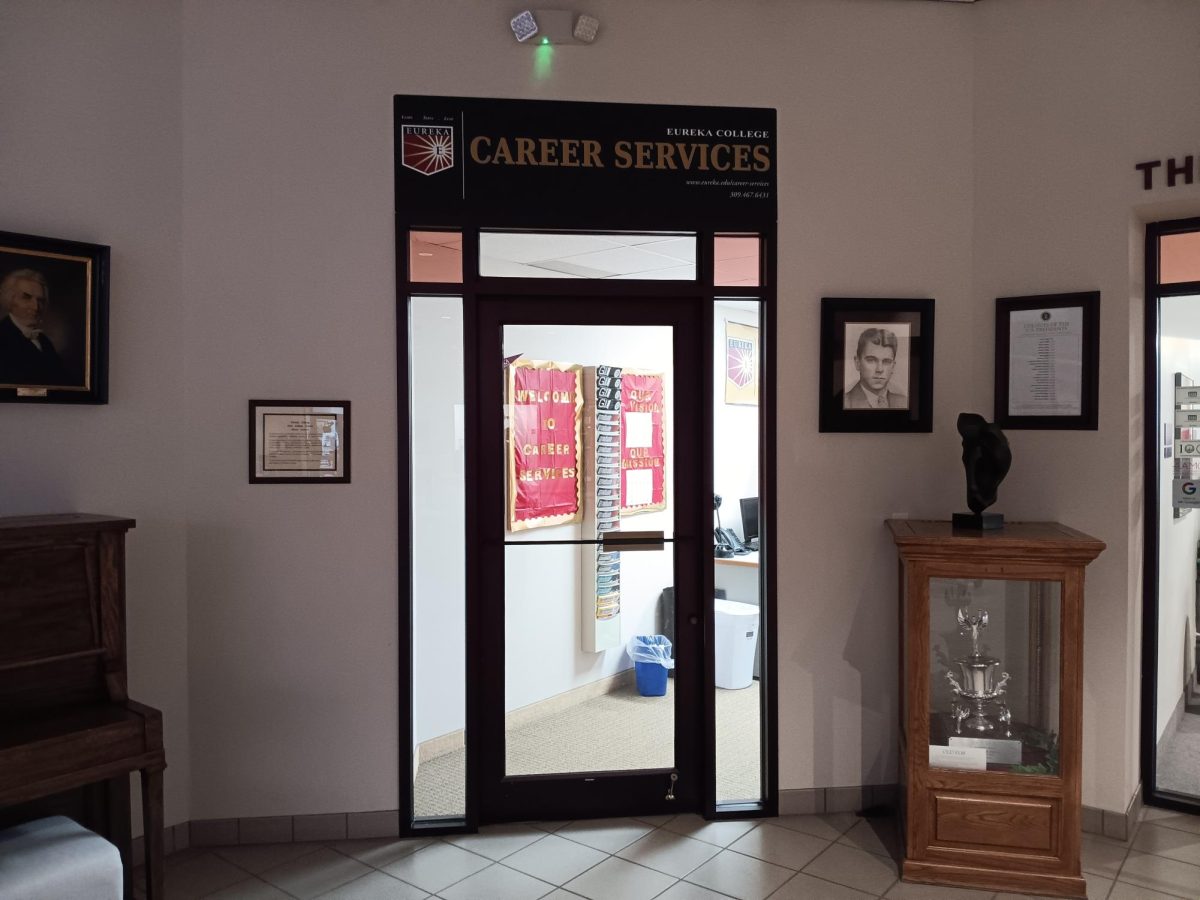
To add on, Burnett informed us that “the thing that is surprising the most is knowing where to look.” Burnett, who spent much of his collegiate career as a sports announcer, quickly understood that finding opportunities required guidance that many students don’t know how to access. One place students often turn for that guidance is Eureka’s Career Services office.
Spesier offered a clear view of the landscape facing new graduates. He noted that assessing the job market has become significantly difficult, with data from sources like Revelio Labs and NACE showing a decline in graduates working in their field of study, even as starting salaries continue to rise. He also pointed to the growing influence of AI and the rising amount of competition among recent graduates, both of which have reshaped how students enter the workforce.
On a positive note, success in today’s market, as Speiser emphasized, depends on not only what students know, but also who they know. He has been focusing on the many opportunities that become available through relationships. Unfortunately for students, this has been increasingly difficult, as employers report noticable declines in students’ communication skills.
Burnett’s experience reflects a unique kind of post-graduate challenge: not unemployment but standing in a role that wasn’t part of the plan. In Speiser’s responses, he pivots around the idea that many alumni feel the same tension in terms of being confident in their abilities, yet unsure how to navigate a market that is harder to read than expected.
If graduates are going to enter the workforce with more confidence, colleges like Eureka will need to place greater emphasis on preparation. This means helping students build professional networks earlier, strengthening their communication skills, and creating more intentional roads between classroom learning and real-world experience.
This disconnect has made it clear that the job search can no longer be treated as something students figure out only after graduation. Speiser’s responses point toward a need for earlier, more intentional preparation, whether through internships, career workshops, or consistent exposure to professional environments. Without these experiences, graduates enter the market with strong résumés but lack direction.
As the job market continues to shift, the responsibility now falls on both students and institutions. Graduates can no longer rely on the traditional promise that a degree alone will open doors, and colleges must ensure that students understand the realities waiting beyond campus. If those changes come into place, future graduates may step into the workforce not without uncertainty, but with the preparation and confidence the moment demands.