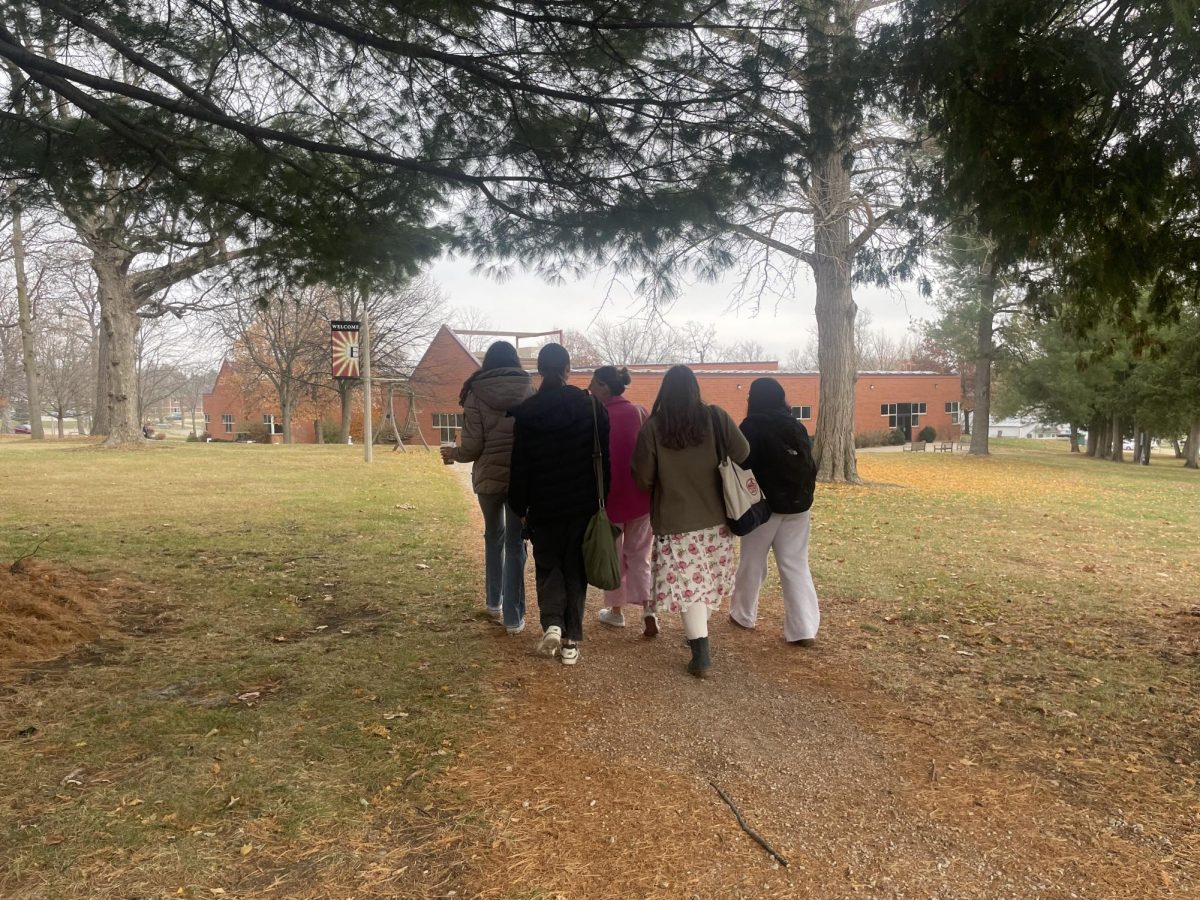











Eureka College’s new Freshman Interest Group (F.I.G.) seeks to make the transition into college smoother by giving first-year students community, structure, and academic support. The program, launched this fall as a pilot, brings small groups of freshmen together through shared coursework and guided opportunities to adjust to college life both inside and outside the classroom.
Eureka isn’t the first to attempt a program like this, and there have been charted benefits to hosting a FIG at colleges across the country. One such example, the University of Missouri highlights several benefits of joining a F.I.G., including easier transitions, increased academic support, and the chance to make connections with peers who are experiencing the same challenges as themselves. As colleges continue to look for new strategies to support first-year students, programs like F.I.G. represent a growing interest and attempt at approach.
Each FIG places students into a small class where they take three connected courses together: a themed seminar, two related topic-based classes, and a supplemental one-credit study skills course. In total, this provides new students with 10 credits in a close learning environment where they move through their academic schedule with the same classmates. The structure not only ensures that students engage with focused, themed content from multiple angles, but also that they have the consistency of familiar faces in the classroom. For many students, that consistency helps the campus feel warmer, more approachable, and easier to navigate.
Dr. Phil Duncan, a member of the working group responsible for developing the FIG concept, explains that the intention behind FIGs is simple yet impactful. “FIGs are designed to give students an immediate sense of community,” he said. “It personally gives them a head start as they adjust to college life.” In turn this helps students identify expectations, learning time management, and figuring out how college academics differ from high school. An organized structure that gives students a support network right away, helping them settle-in rather than feel overwhelmed.
This year, three FIGs are available to incoming students; with each FIG being shaped around a guiding theme, allowing students to explore ideas from multiple perspectives. Faculty who teach within the program are already seeing encouraging results in how students work together and how they approach academic challenges. Some students have even begun forming study groups outside of class, sharing notes, comparing strategies, and planning assignments together, habits that strengthen learning and improve confidence.
Professor Carver, who teaches in the program and also helped develop the program, wrote in an email that she hopes students leave their FIG with three key takeaways: a sense of belonging, confidence in navigating college life, and a growing curiosity about their individual academic interests. Carver also uses her FIG to provide practical college-readiness skills, such as note-taking strategies, how to break down assignments, time management techniques, and how to efficiently communicate with professors.
Carver is also intentional about building a socially supportive classroom. Each class session begins with a “question of the day,” designed to help students share, connect, and get comfortable with one another. These questions are simple and designed to get students to open up and share about themselves. Regular small-group activities reinforce cooperation, accountability, and comfort in speaking openly with classmates.
“One of the most notable successes I’ve observed so far is the strong sense of community,” she wrote. Students themselves are echoing this positive impact. Freshman Sargent Maubach says that having the same classmates in most of his courses has shaped his first semester for the better. “My favorite part has been the fact that most of my classes are the same people that I’ve gotten used to,” he wrote. He shared that the group helps him academically as well; if he struggles with an assignment, he knows he can turn to peers he already trusts. From connecting at school to spending time together outside of class, Maubach believes the program has been overwhelmingly beneficial, with his only recommendation being to “Add more FIGs…” to further expand the outreach.
Carver shares in the sentiment and hopes to see more FIG themes added in coming years to reflect diverse student interests. The goal is not only to give freshmen a supportive academic structure, but also to offer students guided entry points into majors and fields they may want to explore more deeply.