
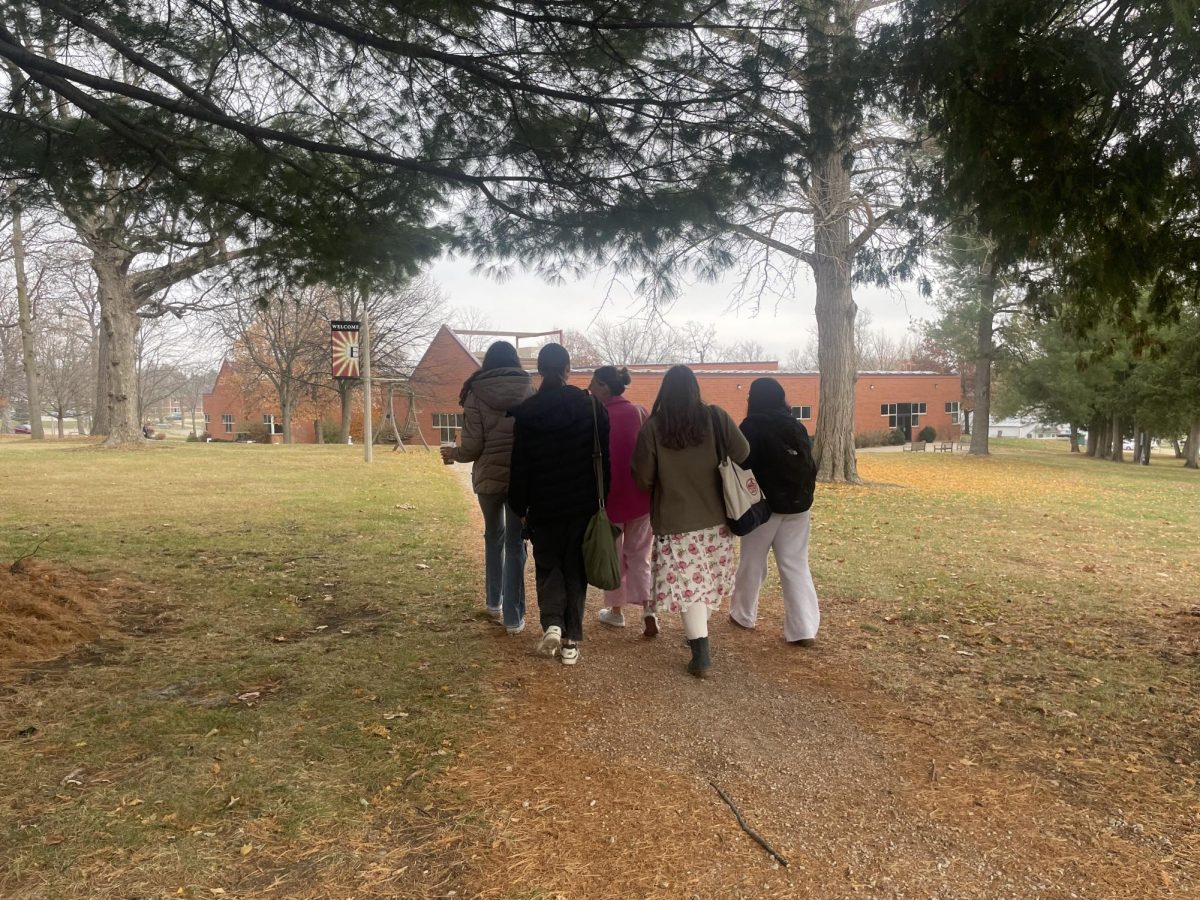





Since the beginning of the fall ’25 semester, large strides have been made to improve the overall campus culture at Eureka College while simultaneously combatting low engagement and retention rates.
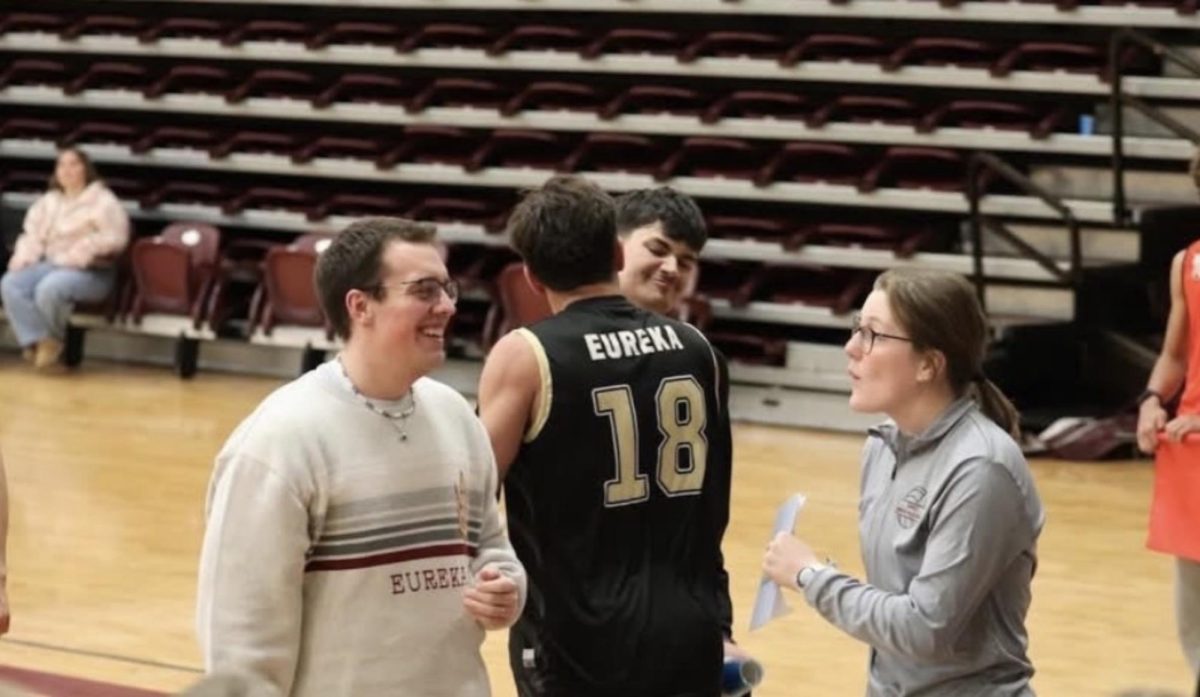
Ms. Alicia Lenard is the director of the First-Generation program at Eureka. The program aims to support students who are the first in their families to receive a four-year degree, providing them with materials and aid they might have otherwise not had available. Lenard supports first-gen students by offering them a space to talk about anything, judgement free. “Anything our students are experiencing, I can connect,” Lenard said.
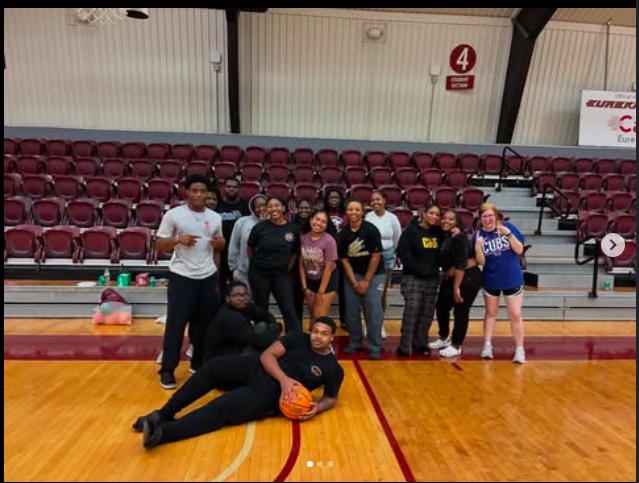
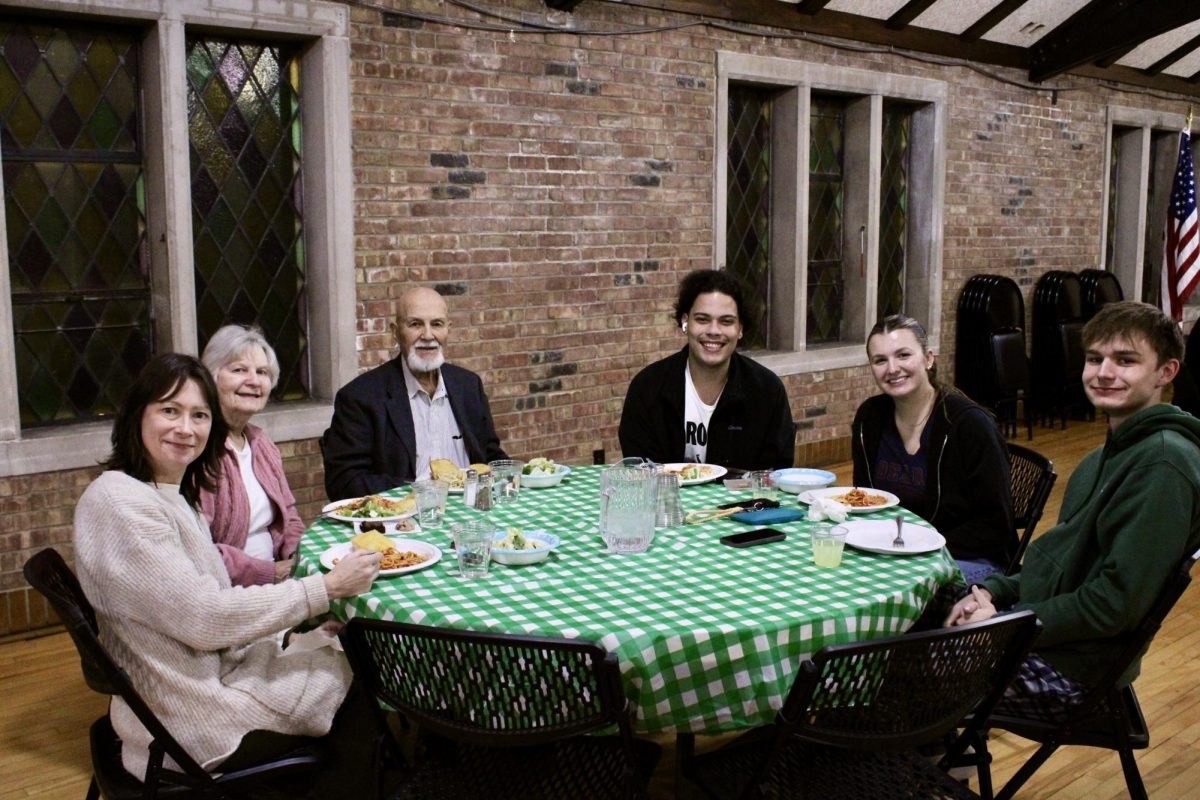
Additionally, the first-gen program hosts many campus events, initially to connect first-gen students to give them peer support for those who are in similar situations to them. Following the success of these events and student feedback, Lenard moved to creating events which are open to the entire campus.
In previous years, Eureka has struggled with an engagement decline, a problem plaguing higher ed across the nation. Though not unique to Eureka, the small campus has felt the hit from this on a large-scale. Liz Wicks, Student Body President, is a junior at Eureka, and has seen the ways a lack of engagement changes the college as a whole. “A large part of campus culture comes from events, and it is definitely integral to preserving eureka values,” Wicks said.
“In order to retain students, you have to create an environment that they want to be in,” Lenard said. Promoting campus activity through various events is one way to improve the culture and environment, as well as keep students interested in college.
According to a late 2024 article from Inside Higher Ed campus activity plays a key role in retaining student engagement. In addition to the strides made by various organizations across campus to improve engagement and retention, other areas of campus have taken steps to reach students and enhance culture.
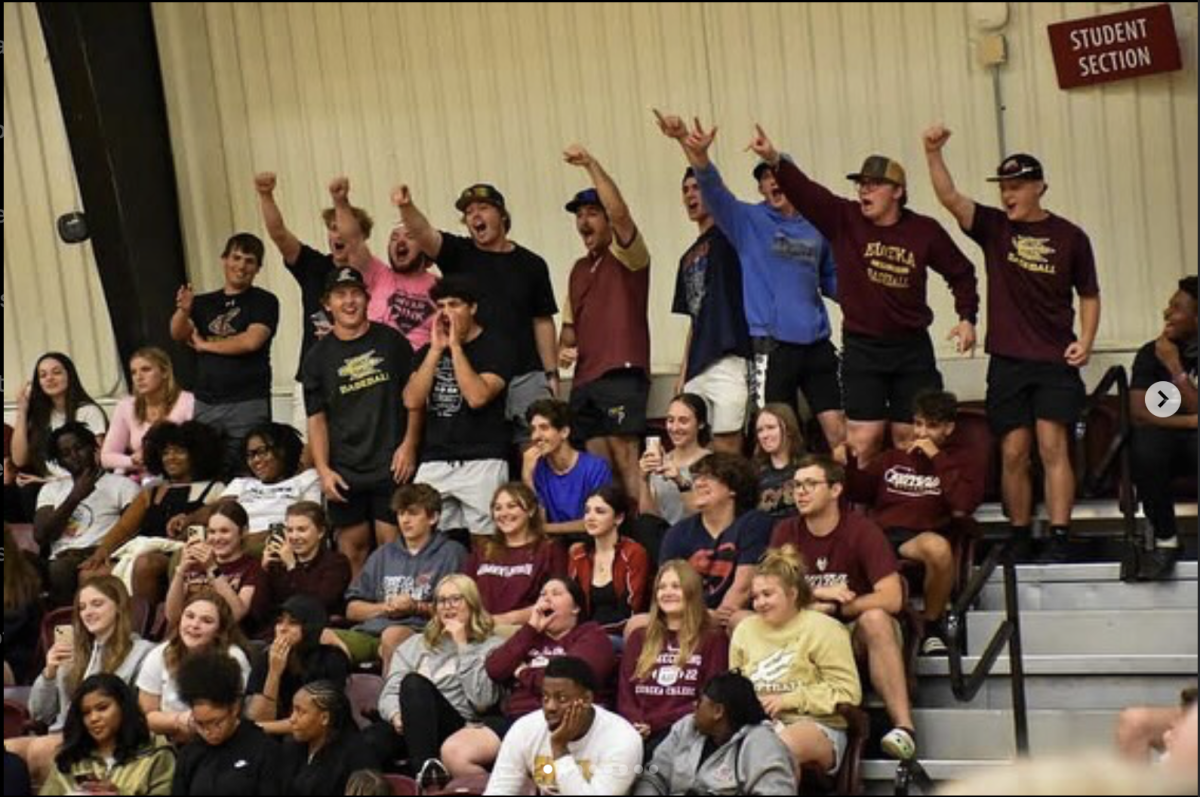
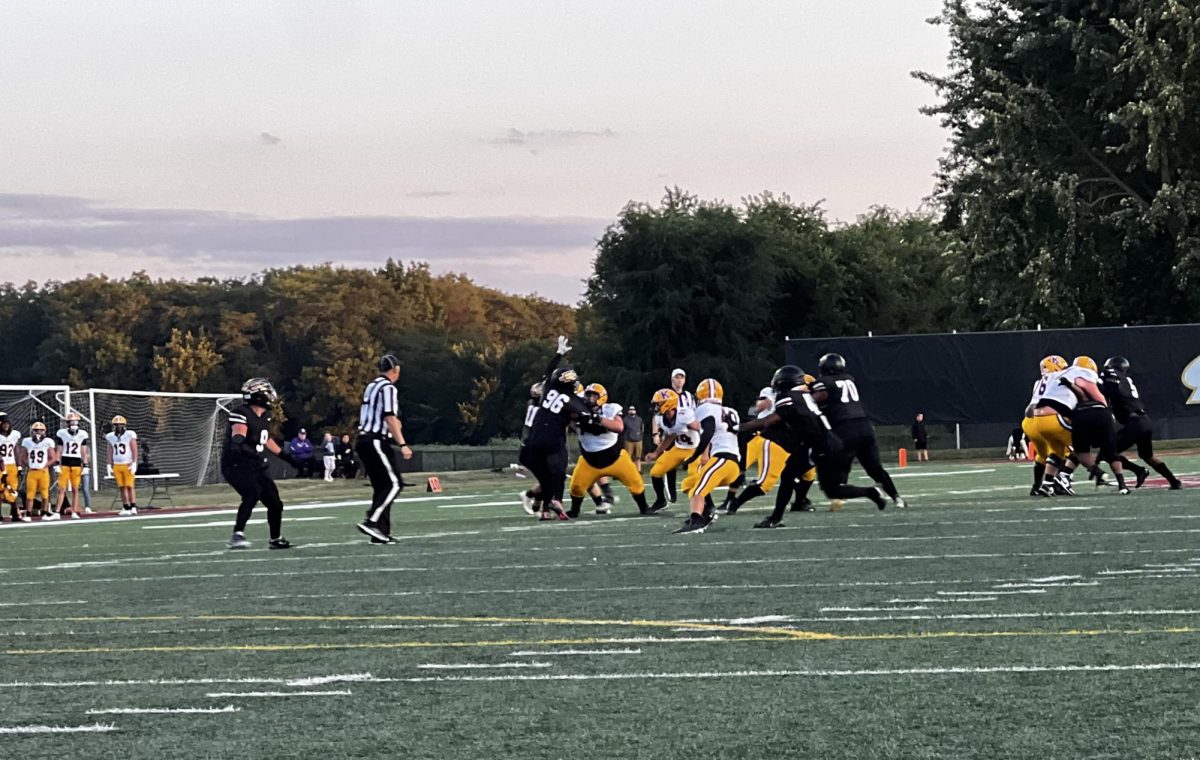
This year, events for all areas of campus have been implemented. A pep rally, bonfires before football home games, Taco Tuesday and Wing Wednesday in the Commons are all events implemented to appeal to the wider campus community.
In addition to staff and administration produced events, student leaders consistently step up through clubs and organizations to provide their peers places to express themselves on campus.
Maddie Niemczak is this year’s Campus Activity Board President. CAB is Eureka’s primary events organizer, focused on creating ways for students to engage in campus. Niemczak has expressed the importance of events, even if purely for fun, to reach a large audience and connect the community in ways they may not expect.
“I feel like using our events to reach out people who are of different cultures spreads the awareness of those other cultures and just teaches people about them,” Niemczak said.
Events of the nature that Niemczak and Lenard bring to campus have been generally well received among the student body. “I feel that events are one of the best ways to cultivate campus culture. it brings people of all backgrounds, majors, sports, and interests together,” Wicks said.
Using campus engagement to connect students is integral to the success of the ever-changing college dynamic. The ability to keep these activities consistent is one of the largest pieces of feedback organizations have received.
“There should be something going on here every day, maybe not something super big, but one big event every week. There should be something going on here every day that students know about. That is how these students will stay,” Lenard said.
In order to keep these events consistent, frequent hosting organizations such as CAB rely on student feedback, which can be difficult when engagement is low. Appealing to the multiple demographics across campus can be difficult, but is essential in order to foster a broad sense of community which students feel they can be themselves in.
“If you see a CAB flyer somewhere on campus, you should come to the event because a lot of the time, you could win prizes, you could meet new people, or you can learn something new,” Niemzcak said.
Broadly, strides made by leaders and students alike have already had a positive benefit on campus culture.
“This year, with a larger student body, campus culture has definitely changed. I see more people getting involved, more crowds at sporting events, and a sense of fellowship wherever I go. Looking back, this fall has been the best one yet,” Wicks said.
With improvements already being implemented, the importance now falls into creating new traditions, as well as continuing the old, in order to appeal to students, alumni, faculty, staff, and the broader community. An overall sense of wellbeing is the ultimate goal, and is incredibly feasible following the direction the college has already stepped towards.