






Athletes who go through an injury is something that a lot of people can’t understand. When an athlete has an injury that is season ending, they can fall into a deep hole. Having mental health be a big thing in athletes is something that some can’t talk about. Athlete’s struggle with talking about how they feel and what’s going on in their head. It’s a hidden injury.
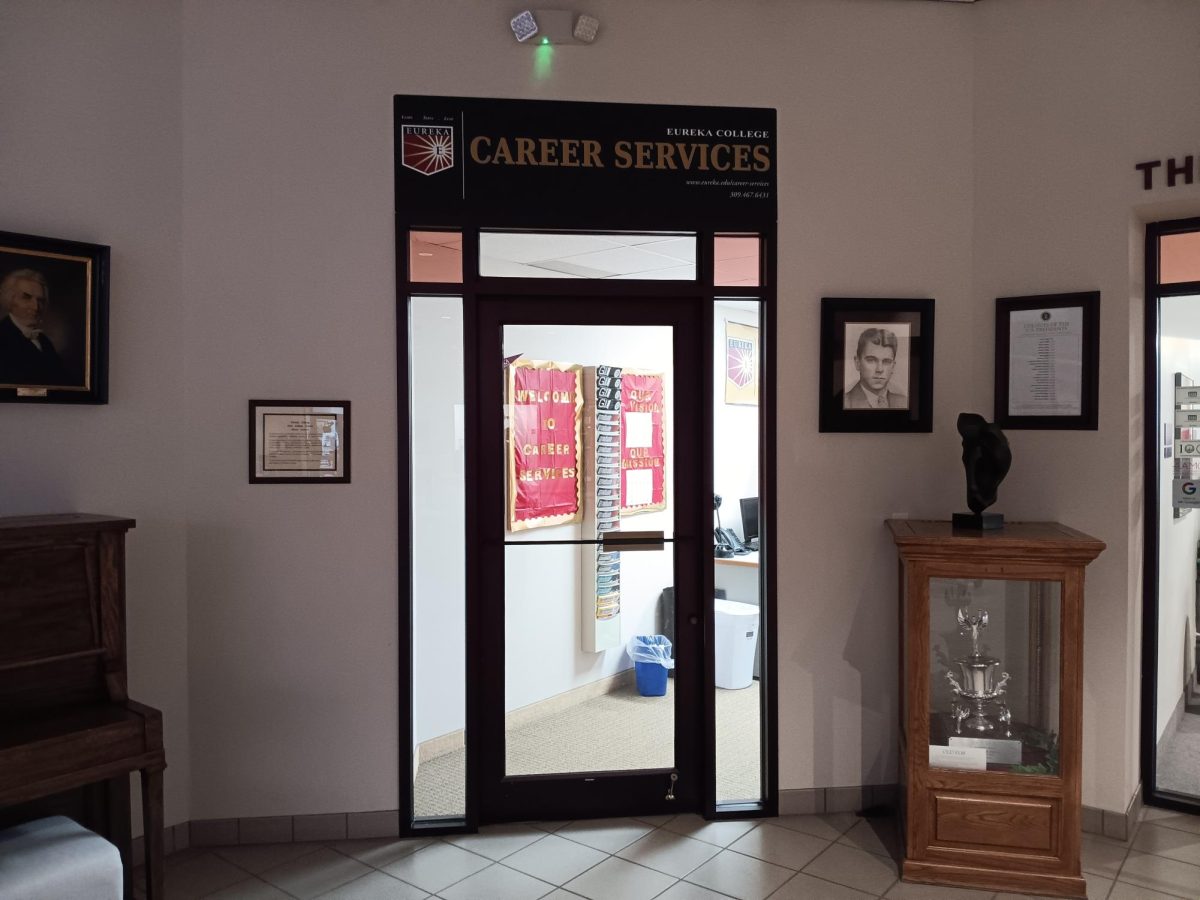
Here at Eureka College, Nora Robinson is a new face on campus. She is the mental health advocate for athletes.
“In my experience, some of the most common mental health challenges that student-athletes face are competition anxiety, feelings of stress/being overwhelmed due to athletics/classwork/personal life/etc, symptoms related to injury, and disordered eating/body image issues.” Said Robinson via email.
While these things are the most common and most athletes deal with these by themselves, injuries can lead to these too.
“Injuries can lead to a number of mental health challenges depending on the severity of the injury. There can be mental health challenges that can arise simply from being in physical pain and there’s also the grief of not being able to participate in their sport. Then there’s also the health anxiety related to return to play and fear that they might get injured again.” Said Robinson via email.
Being able to understand that you aren’t alone in an injury is something that is hard for some to understand. That no one understands what you’re going through but they do if you talk to them.
Robinson reminds any student struggling that they aren’t alone, and have support from their team through their times of need. Staying involved with the sport, even when unable to play, is one way to prepare students for their return to the field.
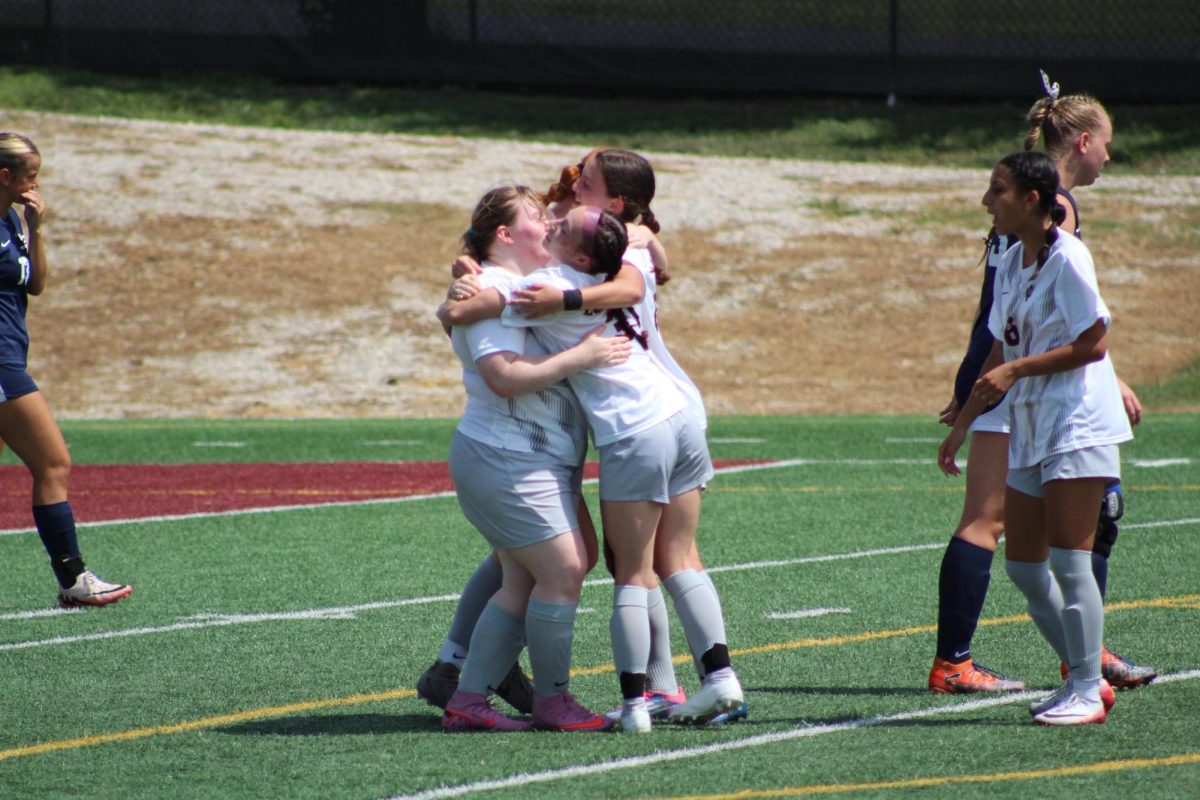
Brayde Smith is a freshman soccer player from Bay City, Michigan who had torn her ACL and Meniscus, after separating her meniscus from her femur her senior season. Smith had surgery over the summer and still came to Eureka College, supporting her team from the sidelines with a positive attitude.
“Soccer and sports in general had been my entire life since I was born so having that be taken away was extremely hard…It also has given me a lot of mental blocks regarding physical exertion because in the back of my mind all I see is my knee tearing again and me having to restart the whole process.” Said Smith via email.
Going through a season ending injury for her was a hard thing to do. Going through a traumatic surgery can take a lot off of someone’s physical strength along with mental strength.
“When I first got injured, I went through a stage of denial where I told myself that I would heal quickly and would be able to play again right away. I didn’t let myself grieve the loss of the hard work I had put in…After many people spoke to me, I realized my season was done… This put me into a spiral and I felt lost. I felt like my whole life was getting ripped away from me…I was heartbroken for myself but had to hold it together for my team and my family.” Said Smith via email.
Wanting to stay strong for your family is a hard thing to do because you don’t want to ask for that help but your body knows that it needs help and needs that support.
“Throughout my recovery, I have experienced more pain and heartbreak than ever before. Physically, the doctors and physical therapists around me have to manipulate my knee which is extremely painful because it’s unnatural for my repaired knee.” said Smith via email.
Returning after a surgery can be hard with every kind of injury. You can’t go back to where you were right away and some people find it hard to go back to playing after this kind of injury.
“To other athletes, I would honestly tell them to be prepared. The process of recovery is long and hard and is never easy. To get better, your drive to get back to normality has to outweigh the pain. I would be honest with them and say that most of the time they will want to quit and that will be a true testament to what is more important to them in their lives.” Said Smith via email, emphasizing the importance of accepting help from others.
Abby Mitchell is also a soccer player in her Senior season, from Peoria, Illinois. In her time at the beginning of the season on the side, she was a top cheerleader until she came back onto the field. She didn’t let anything get in the way of stopping her from finishing her last season.
“When my injury happened, I was in a very depressive state. Being injured was not on my to-do list, as it is not on many athletes, but for me especially being injured was not easy for me to handle. I felt like a burden to many of my friends and to my coach. It was embarrassing not being at my full potential and not being able to do all the things the rest of my team was doing.” Said Mitchell via email.
Being in a state of depression is what a lot of athletes go through when they have an injury. They want to be playing and they can’t. This puts them into that state of depression.
“There was a time I felt disconnected from my team as I decided to take a step back for a while from soccer for my mental health. Before I decided to come back as a player, I was originally the manager for my senior season and at this time, I felt that every person saw me as a pointless person, a part of the team.” Said Mitchell via email.
Wanting to leave a sport because of an injury is another thing that a lot of athletes go through.
“At first, I didn’t think my team was seeing that I was going through a lot mentally. They tried to include me as much as possible, but at the same time, they all had a sport to concentrate on and I was on the sideline shagging balls. There were a couple teammates like Brayde Smith and Brianna Murphy who always checked in and made sure I was still valued in my senior year.” Said Mitchell via email.
Inclusion is something that people need in order to keep their mind off of certain things that have happened to them or in their life.
“Along with those teammates, my coach, Reece Scragg, did make an effort to always check in, and told me how valuable I was for the program on and off the field. He reached out to me on a consistent basis checking on my mental health and did not allow others to question why I would be missing some events due to these reasons.” Said Mitchell via email.
Coaches are going to be the adults you can go to, to talk about things you’re going through. They will be there for you and make sure you’re doing okay.
“My advice to other athletes who may be struggling with an injury would be to not ever give up. You are so much stronger than you think you are. Do rehab, train as hard as you can, you may never know when the last time you will step onto the field, court, etc.” Said Mitchell via email.
Doing the things that you need to do to help the injury can get you mentally prepared to come back. Being able to be transparent about what goes on mentally can make you a strong person to be open with what is happening.
“For athletes struggling with mental health: Do not hide your weaknesses and let it get to a point where you do not know if you can continue. Tell your coach and team what’s going on. These people will help you get through whatever you are going through and ultimately make you love yourself and the game again.” Said Mitchell via email.
Sharing advice to one another during or after an injury is something that a lot of athletes could use. Find those around you to support you and keep you going.