











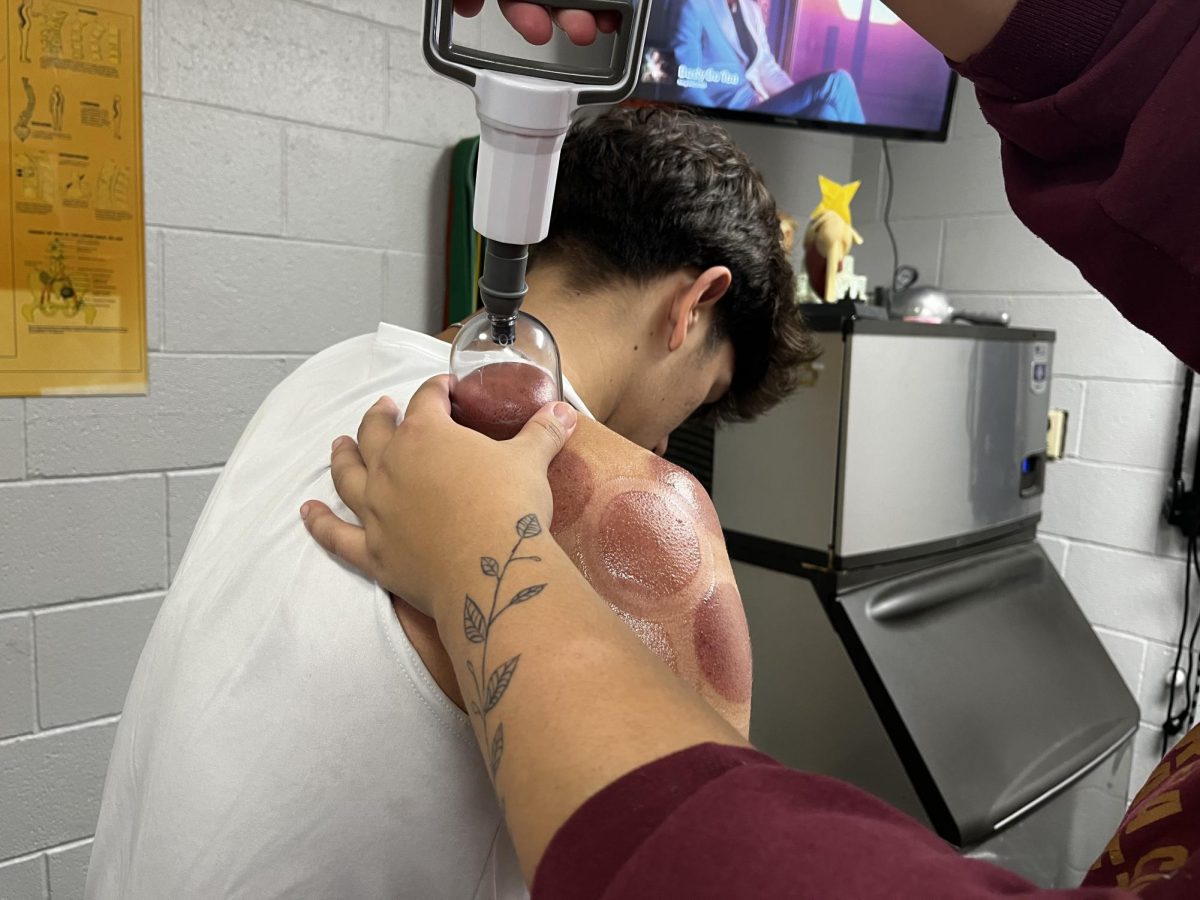
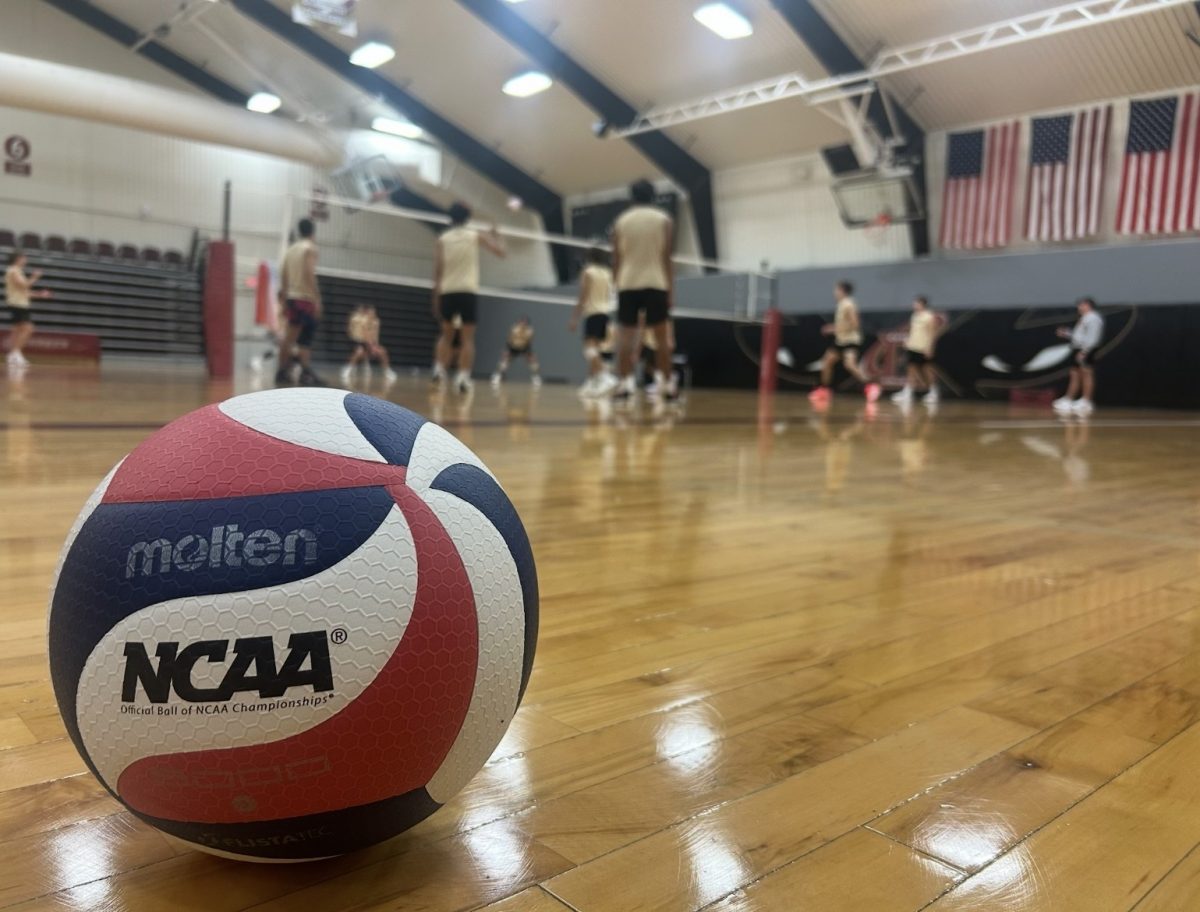
Athletic training is a crucial aspect of a player’s ability to participate in a sport to the best of their ability and do it in the safest possible manner. Some sports are more combative and hands-on, like football or wrestling, and others are more strenuous and endurance-based, like cross-country and soccer.
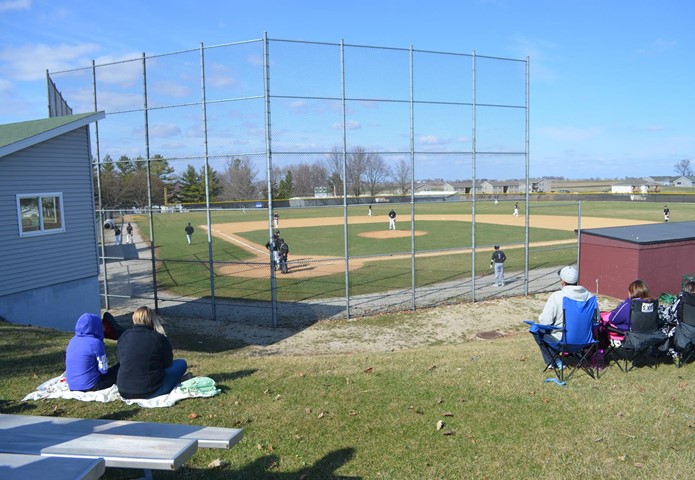
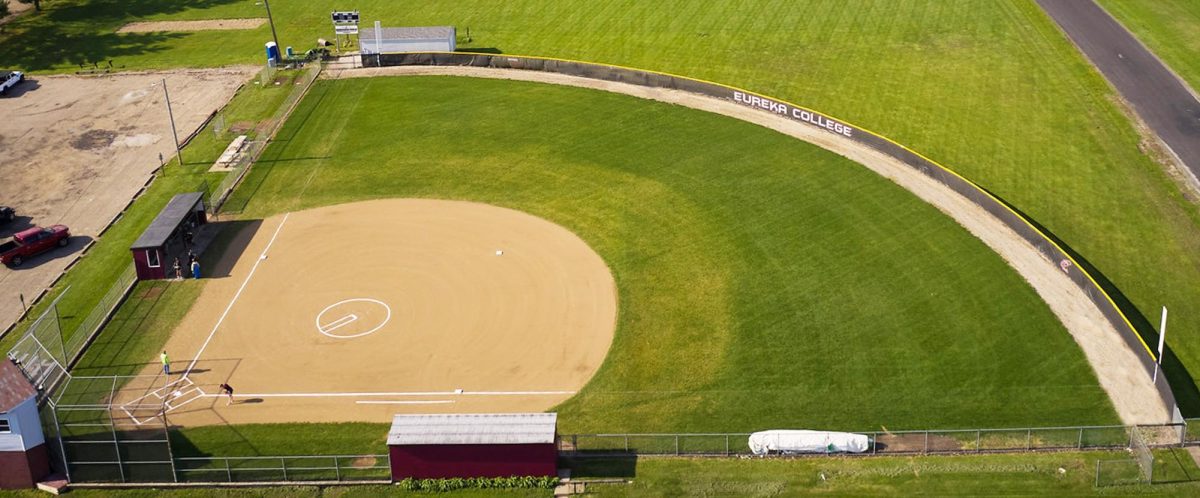
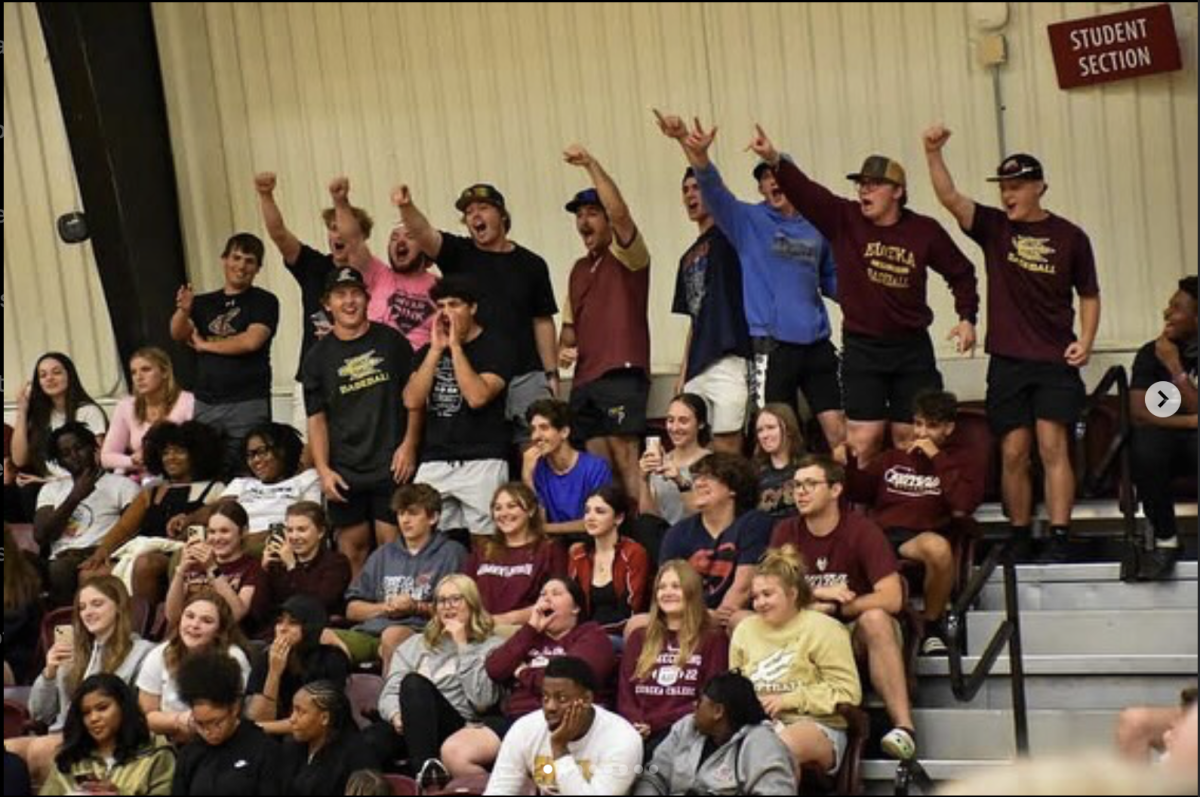
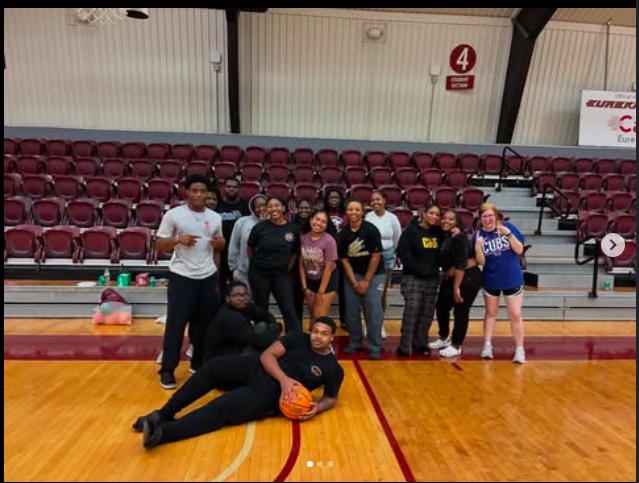
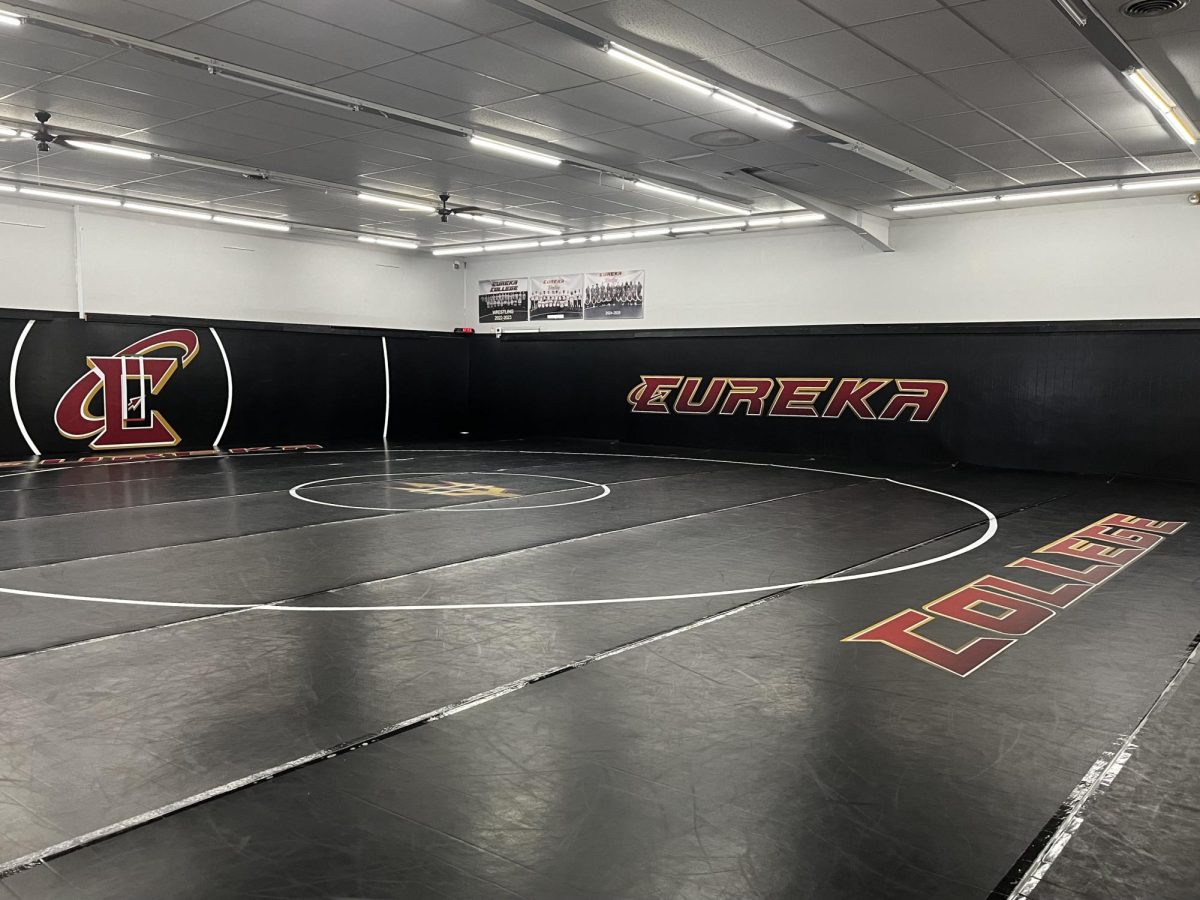
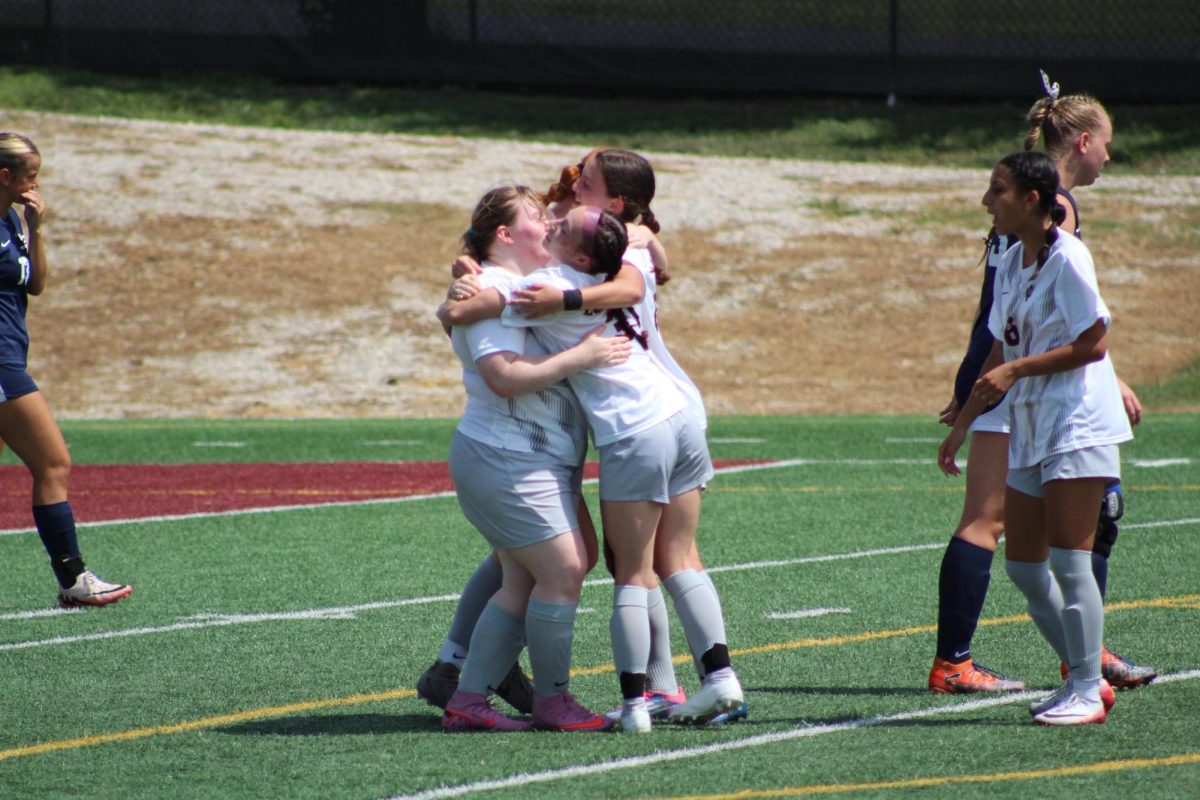
Over 80% of the student body at Eureka College is an athlete. Eureka’s men’s sports include baseball, basketball, cross country, football, golf, soccer, volleyball, and wrestling; while women’s sports include basketball, cross country, golf, soccer, softball, volleyball, flag football, and wrestling.
Athletic training originated in the late 19th century and has evolved rapidly over time. The history of Athletic Training is crucial to how we see and use Athletic Training today. “Athletic Training formally emerged in the late 19th and early 20th centuries as organized sports gained popularity.”
To fully understand the rapid evolution, it’s important to know where this started and why. “In 1869, Rutgers and Princeton Universities introduced football to the United States. After 18 deaths and 159 serious injuries, President Theodore Roosevelt threatened to ban football as an intercollegiate sport in 1905.”
“In response, universities sought to improve care and injury prevention for the rapidly growing sport by hiring individuals to take on the role of athletic trainer.”
Laura Aroz, head athletic trainer at Eureka College, is originally from Tucson, Arizona. Aroz obtained her Bachelor’s in Exercise Science at the University of Maine, where she then went on to graduate with her Master’s of Athletic Training at Manchester.
Aroz previously worked with the U.S. Army at Fort Bliss as an athletic trainer before taking on the position at Eureka College. Aroz states, “I chose Eureka because of all of my different experiences. I loved working for a smaller college where the athletes are playing for the love of the sport.”
Alexus (Lexi) Brown is Eureka College’s assistant athletic trainer. Brown is originally from North Vernon, Indiana, and attended Indiana University for her Bachelor’s in Exercise Science and Master’s in Athletic Training.
Brown states, “Ultimately, I chose Eureka College because I knew it would challenge me, help me grow as a clinician, and allow me to be closer to my family.”
Students who are actively in season have scheduled times to visit the Athletic Training room that correlate with their practice times. There is also a section of the day set aside for athletes to come in called “open hours,” which isn’t scheduled toward a specific sport; more so, students can go in as needed, even if they aren’t in season yet. Aroz explains, “The number of students varies from day to day and by season. In the height of fall, we roughly see 150 students a day.”
“Among the types of injuries that occur, student-athletes routinely suffer from hip flexor strains, ankle sprains, concussions and other head injuries, stress fractures and broken bones, Groin pulls, sciatica, shin splints, hamstring strains, golf or tennis elbows, shoulder injuries, including dislocations and rotator cuff tears.”
Injuries at Eureka College vary depending on sport and season. Each sport has its own recurring injuries amongst players, but they are avoidable with the correct injury prevention and rehabilitation. Aroz states, “We see everything from sprains and major injuries to concussions, and daily wear and tear from practices and our athletes’ daily lives.”
She continues by saying, “I don’t think we have the most common injury, but we deal with a lot of sprains and strains on a day-to-day basis. We work on rehabilitation and building strength to enhance play ability and the overall well-being of the athlete.”
Injury prevention and rehabilitation starts with the consistency of students and them advocating that they are going through something that isn’t normal for them. Brown explains the consistency of students at Eureka College.
“It’s very dependent on the person, some are very good at coming in and doing their rehab prevention or advocating for new injuries … the ones who are less prone to coming in we will talk to at practice or during a free time when we see them in hopes to schedule a time to work with them.”
Ethan Paulat, a junior at Eureka College, is a Sports Management major, as well as a football player on campus. Paulat explains, “I went through a strained hamstring during the spring. I wasn’t able to run full speed for a little over a month as well nor was I able to do lower body exercises and movements.”
This injury not only prevented his ability to do normal day-to-day motions but also made him question his ability to participate fully during summer workouts and training. Paulat explains how he was able to work back to the field in no time with the help of the Athletic Trainers at Eureka College.
“I was in the training room every day working one-on-one with the athletic trainers to receive treatment and exercises that helped mobility and comfort over time. It was super beneficial because they not only took time out of their days to help rehabilitate me, but they also made the process comforting and consistent, allowing me to get back on the field in a timely manner.”
According to Mid-America Orthopedics, there are six main benefits of Athletic Training. The six include, but are not limited to, injury prevention, enhanced physical fitness, improved performance, mental resilience, team building and leadership, and time management and discipline.
Brown starts by bringing up a key point of the mental resilience benefit by stating, “On the other hand, Eureka College also doesn’t have a sports psychiatrist, so we help students with the mental aspects of sports and academics, helping them build mental resilience, which is a huge aspect to being a student athlete at the collegiate level.”
The six main benefits are all eye-opening and target key points of athletic training, but leave out one very important aspect, according to Brown. “I don’t fully disagree with the six main benefits, but I think there are better ones than those. One being emergency response.”
Brown further explains this by stating, “We are able to provide certain care that goes beyond rehabilitation and injury prevention. There have been multiple incidents that haven’t been sports-related that we’ve had to handle in cases of emergency.”
Athletic training is a very important and crucial aspect of a player’s ability to play at their best. A player will play their best when under positive mental health and when their body is in good shape. At Eureka College, the athletic trainers spend day in and day out trying to make every athlete better than the day before.